


Good Design Week is an international platform celebrating excellence in design, arts, emerging media, and creative innovation.
Bringing together researchers, educators, industry professionals, entrepreneurs, artists and students, the event explores how creativity transforms ideas into meaningful social, cultural and economic impact.
Through exhibitions, symposiums, workshops, industry engagement and public programs, Good Design Week promotes interdisciplinary collaboration while showcasing innovative research, creative practice and emerging technologies that are shaping the future of design and society.
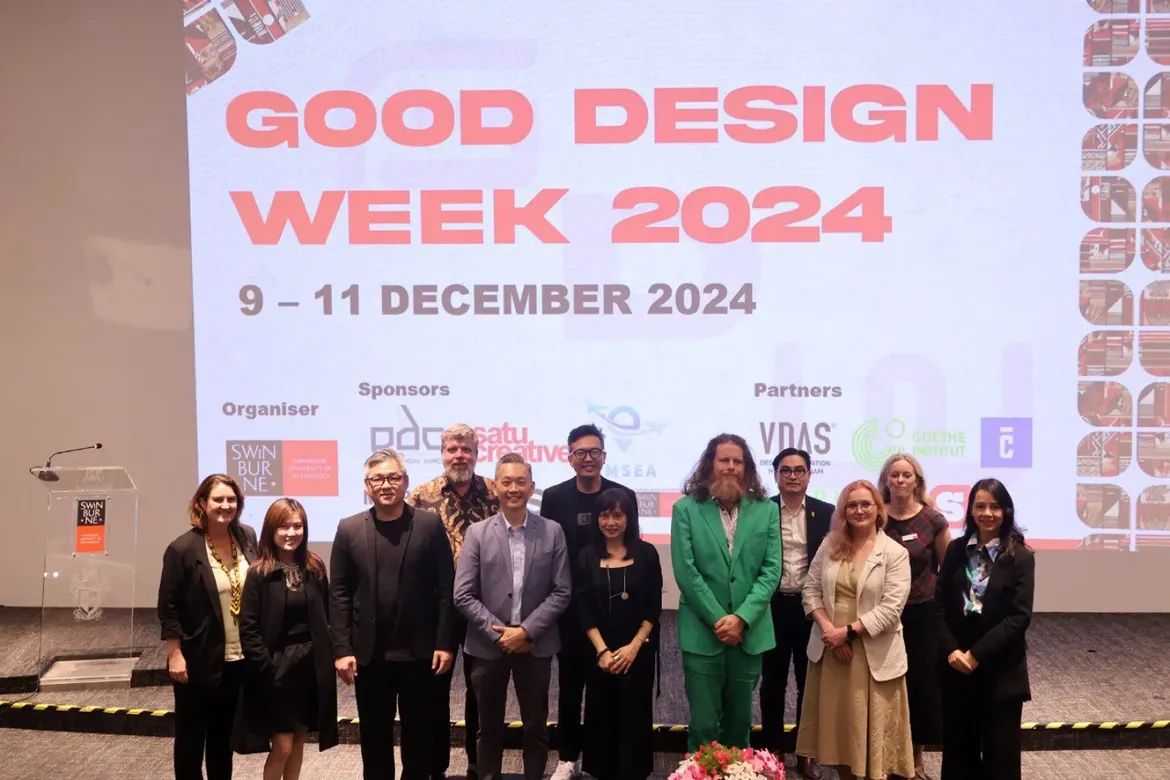
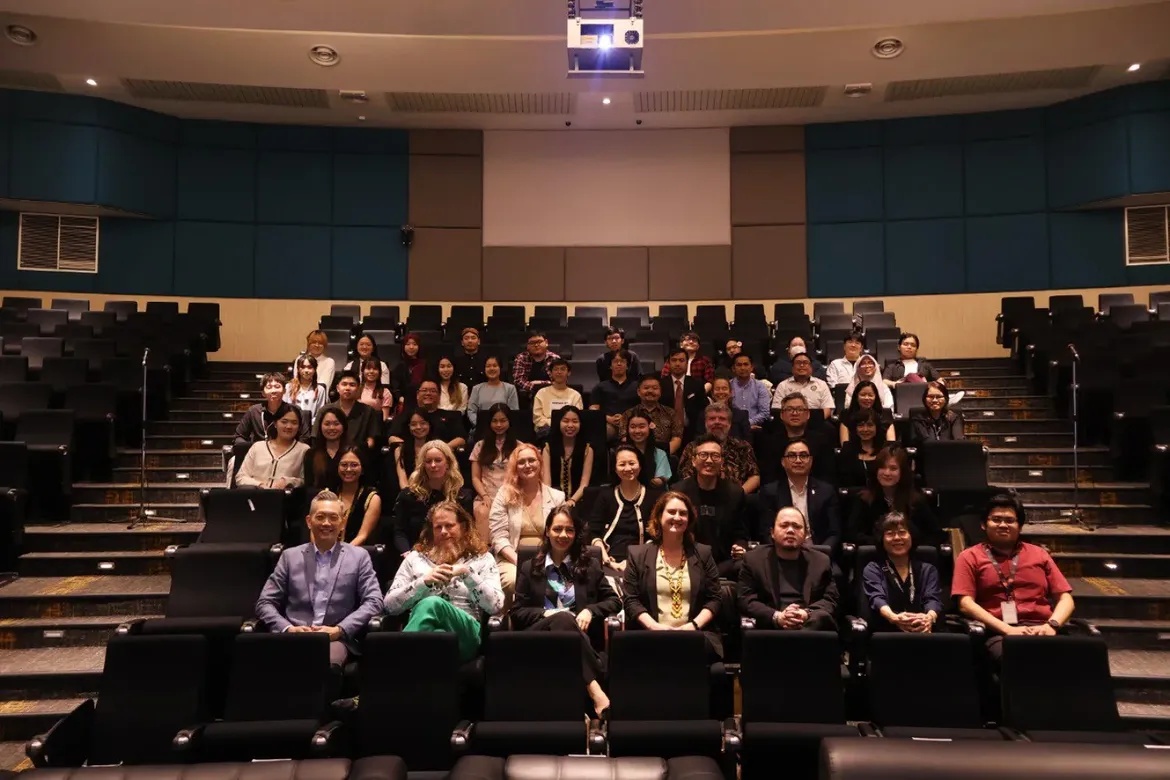 Good Design Week 2024
Good Design Week 2026 explores the intersection of creativity, technology and human experience, demonstrating how design can contribute to sustainable futures, digital transformation and the growing creative economy.

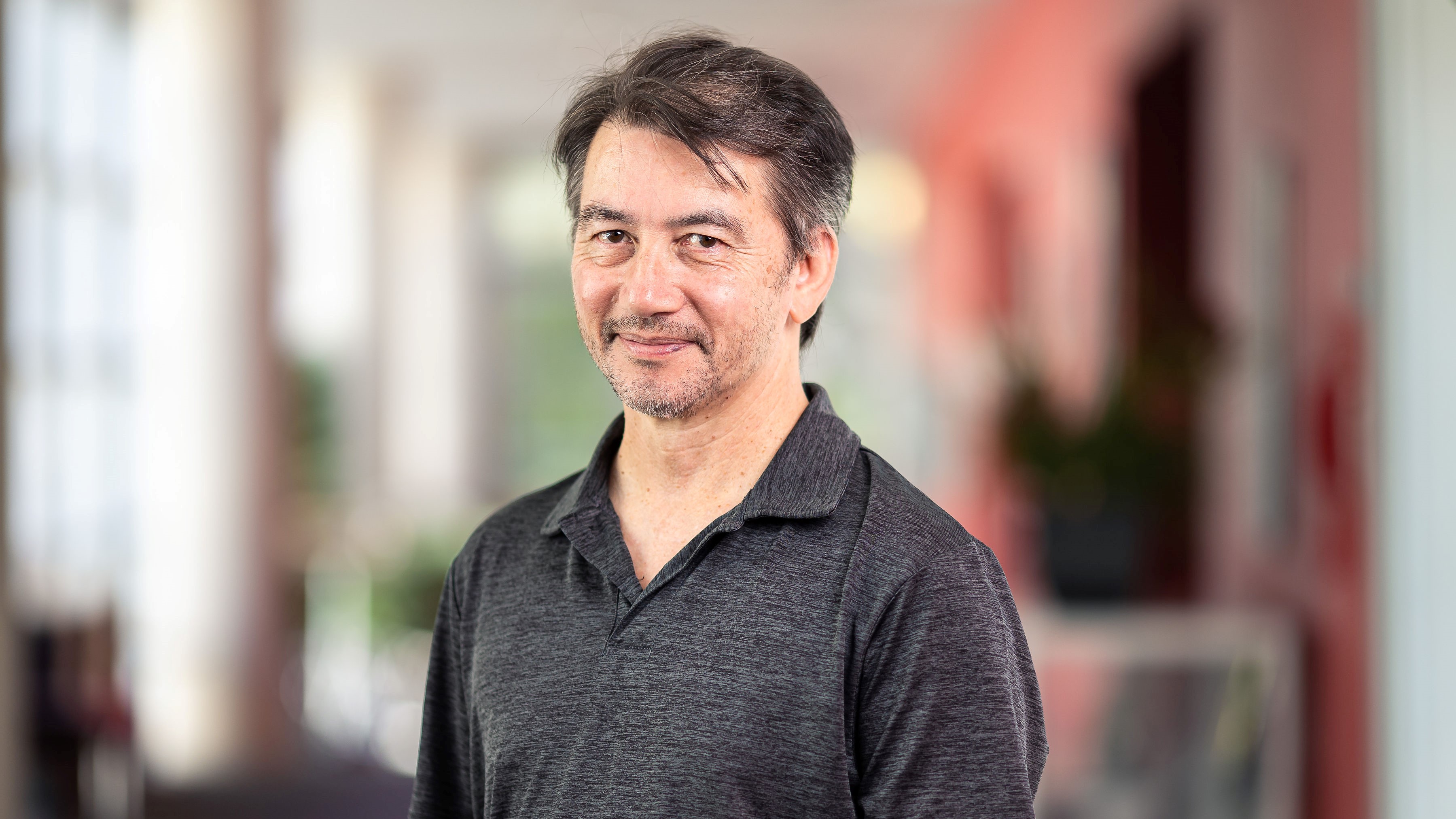
Swinburne University of Technology, Australia
When an Agent Walks Into the World: Embodiment, Movement and Agency Beyond the Screen

University of Arts Linz, Austria
The Artwork as a Living System - Creating Interactive Art between Artificial Life and Human-Computer Interaction

University of Arts Linz, Austria
The Artwork as a Living System - Creating Interactive Art between Artificial Life and Human-Computer Interaction

Co-Founder, CtrlD Studio, Malaysia
Local Studio, Global Audience: A Glimpse Into the Production of Our Video Game IP

Swinburne University of Technology Sarawak, Malaysia
The Hugging Face Incident and the Question of Synthetic Morality
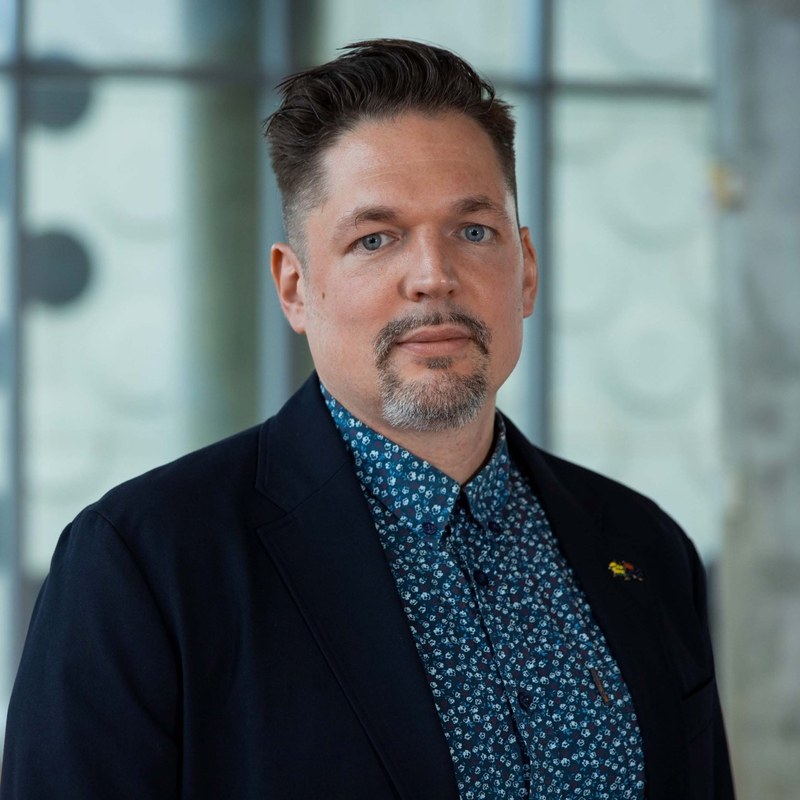
Swinburne University of Technology, Australia
Time Traces, an experimental audiovisual installation

Monash University, Australia
Time Traces, an experimental audiovisual installation
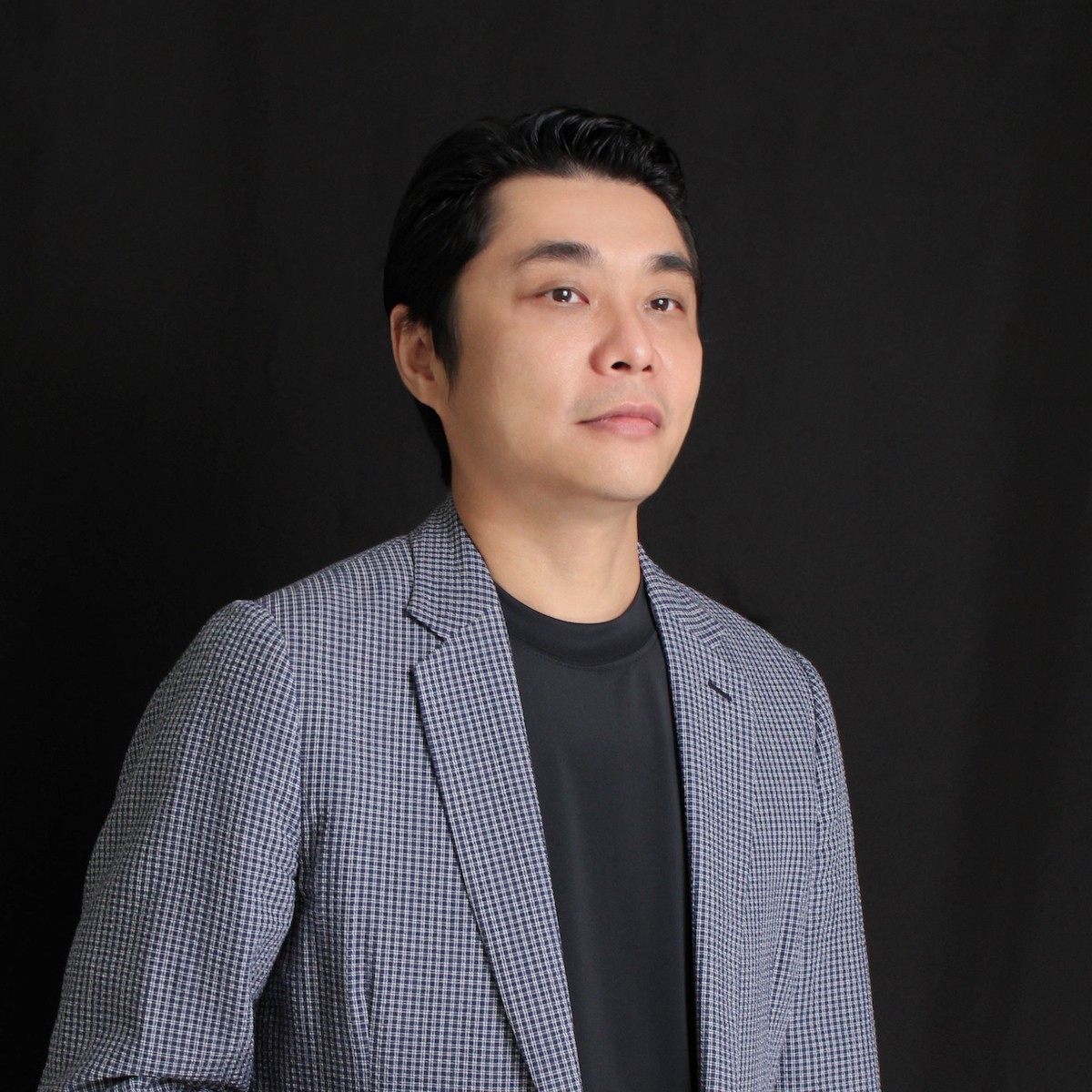
National Tsing Hua University (NTHU), Taiwan
The Poetics of Systems: Re-humanizing Digital Technologies through Rational Art
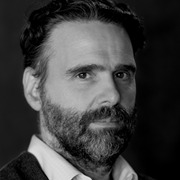
Auckland University of Technology, New Zealand
Portals/Traces: Creative Practice Between Physical and Digital Realities
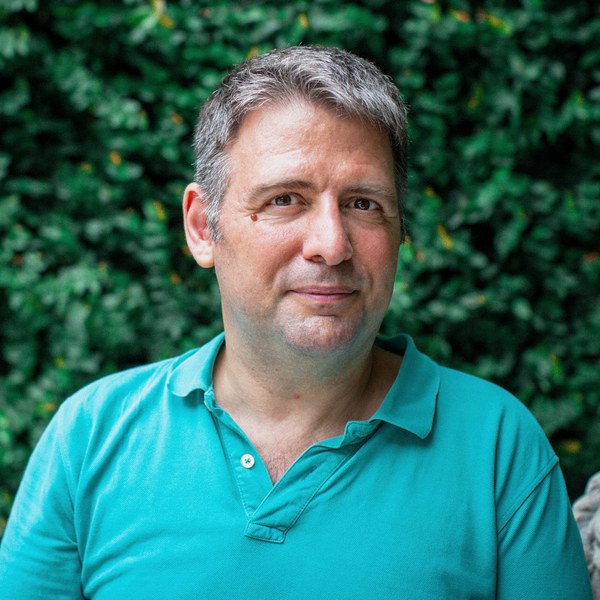
Founder, The New Art School, United Kingdom
The Human Advantage: Why Designers Must First Be Educated as Artists

Universidad de Talca, Chile
Design for Emergence: Project Fidelity as an Emergent Property of Methodological Integration in Emergency Situations

Federal University of São Paulo, Brazil
Mapping Art and Artificial Intelligence from the Global South: The Brazilian Observatory
[Sarawak-Hong Kong Cultural Corridor Project]

Actor and Television Personality, Hong Kong
New possibilities for cross-regional entertainment and storytelling.
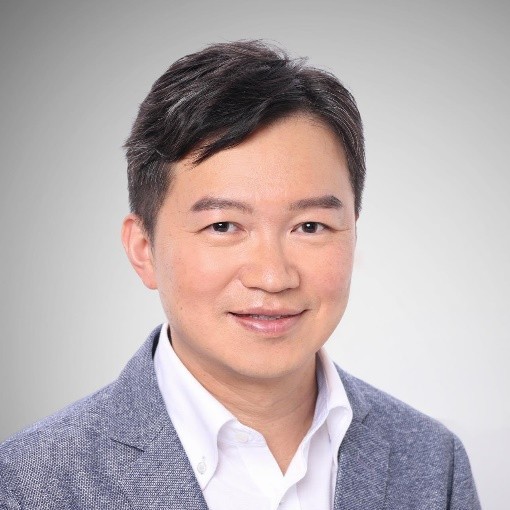
Hong Kong-Sarawak Cultural Corridor, Hong Kong
Culture should not merely be exchanged; it should be created together.
| Date | Time | Location | Activities |
|---|---|---|---|
| 30 Nov – 6 Dec 2026 | 9am–5pm | Venue: Sarawak Science Centre (SSCiEX) | Design & Art Showcase — international curated exhibition involving students, academics, designers, artists and creative practitioners; includes an international open call, hybrid participation and symbolic exhibition/submission fee. |
| 30 Nov 2026 (Mon) | 0900–1800 | A217 Ideation Room | Brandstorm Workshop Sprint (Day 1), incl. 1 hour lunch break |
| 1400–1700 | The Hive (Swinburne Sarawak, G901) | Creative AI Network Workshop — practical workshop exploring Human–AI collaboration in creative practice, delivered under the Creative AI Network initiative in support of Australia's Human–AI Collaboration Infrastructure Project. | |
| 1 Dec 2026 (Tue) | 0900–1800 | A217 Ideation Room | Brandstorm Workshop Sprint (Day 2), incl. 1 hour lunch break |
| 0900–1200 | The Hive (Swinburne Sarawak, G901) | Sarawak Creative Industry Workshop — involving Sarawak creative industry, arts, culture and tourism agencies, private companies, SCIC members and the wider creative community to brainstorm future directions. | |
| 2 Dec 2026 | 0830–0900 | Borneo Atrium & SLA | Registration & arrival of guests, industry partners and attendees; light morning tea served at Student Leisure Area |
| 0900–1000 | Borneo Atrium | Keynote Sessions (GDW) | |
| 1000–1015 | Borneo Atrium | Guests seated to welcome VIPs | |
| 1015–1030 | Borneo Atrium | VIPs and distinguished guests welcomed by the organizing committee | |
| 1030–1045 | Borneo Atrium | Welcome remarks by Prof Lau / Prof Sim / Prof Brian | |
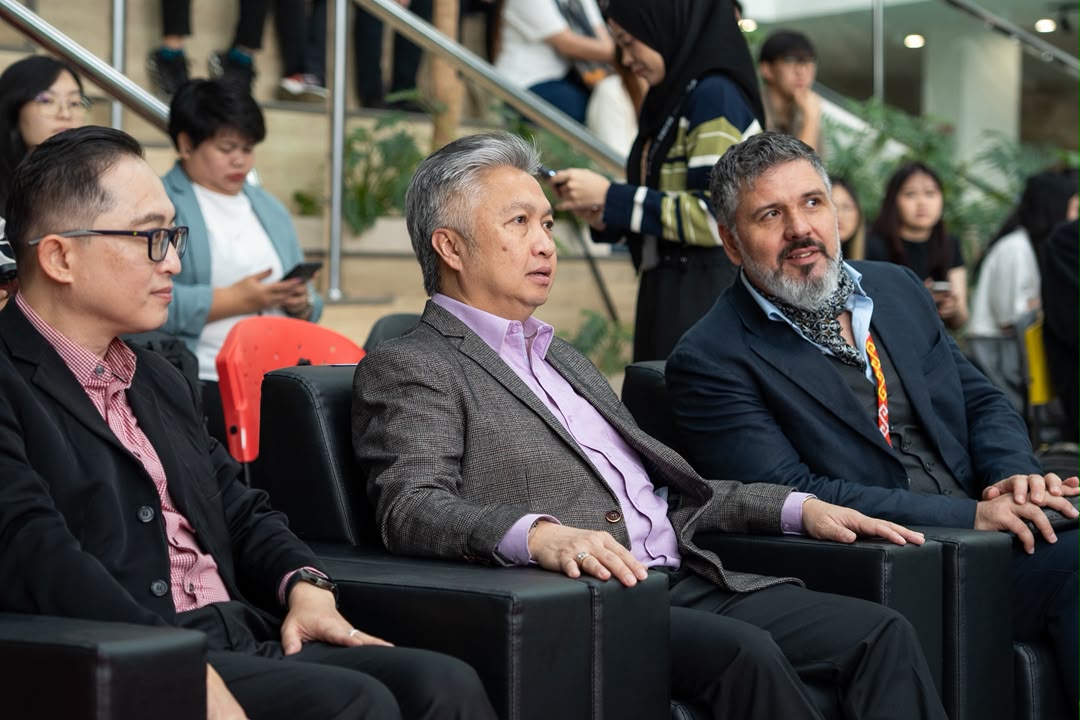
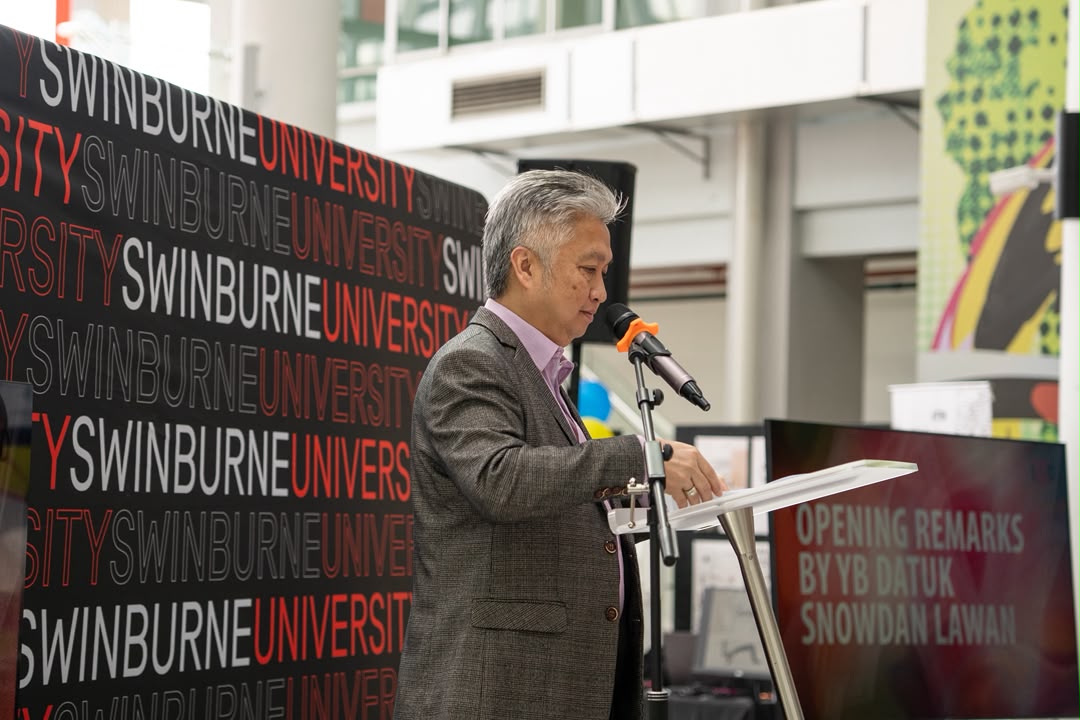
| 1045–1100 | Borneo Atrium | Remarks by Guest of Honour — YB Datuk Snowdan Lawan | |
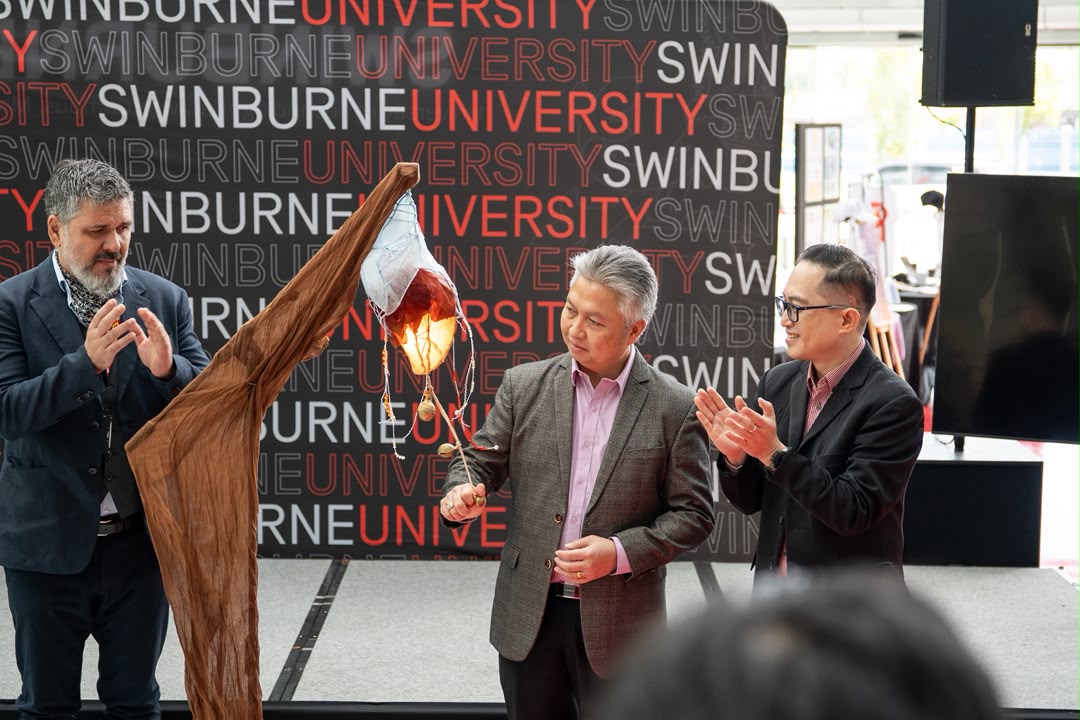
| 1100–1115 | Borneo Atrium | Launching Ceremony | |
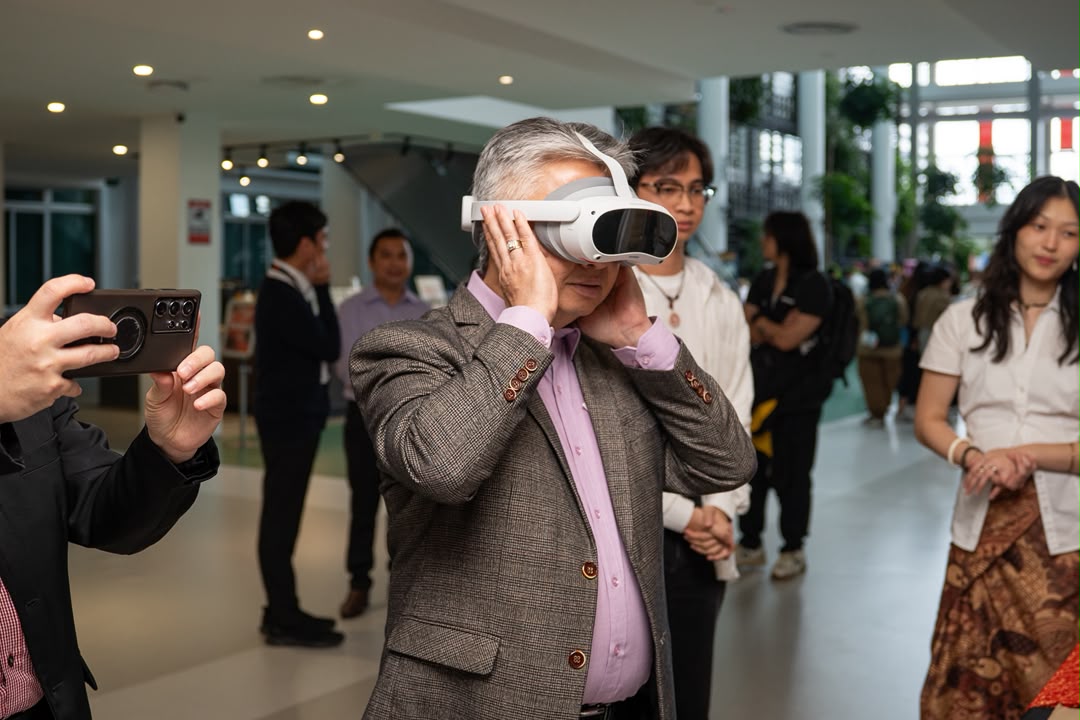
| 1115–1230 | Borneo Atrium | VIP Exhibition Tour at the Exhibition Zone and Demo Zone | |
| 1230–1400 | Student Leisure Area | Lunch | |
| 1230–1630 | Borneo Atrium | Networking session between students, guests and industry partners | |
| 1230–1630 | A217 Ideation Room | Brandstorm Workshop Sprint (Day 3) – Pitching Session | |
| 1400–1700 | Block B Lecture Hall, Level 2 | Sarawak Creative Industry Committee (SCIC) Meeting — chaired by Datuk Snowdan Lawan, involving SCIC working committee members, government agencies, private institutions and companies. | |
| 1400–1900 | The Hive (Swinburne Sarawak) | Good Design Week International Symposium Series: Profitable Creativity in Design, Arts, and Emerging Media — hybrid symposium exploring creativity, entrepreneurship, innovation and the future of the creative industries, with participation from academia, SMEs, industry and government. | |
| 1400–1500 | From Page to Screen: Producing a TV Drama Series: A Sharing by Retired TVB Senior Executive Producer Poon Ka Tat | ||
| 1500–1600 | How to Be a Good TV Presenter: Masterclass with Helen Tam Yuk-Ying | ||
| 1630–1700 | Borneo Atrium | Awards Ceremony | |
| 1700 | Borneo Atrium | Event Conclusion |
The main activities currently identified for Good Design Week 2026 are:
 International Exhibition
An internationally reviewed exhibition showcasing innovative projects in science, technology, design, arts and creative innovation.
 International Symposium
A platform where academic research meets industry practice, exploring creativity as a driver of innovation, entrepreneurship and sustainable economic growth.

Industry X Day has successfully established itself as the SUTS School of Design and Arts' primary industry engagement initiative, connecting students with employers, professional practitioners, alumni, and creative organizations through exhibitions, demonstrations, networking opportunities, and industry presentations. Industry X Day 2026 will be delivered as an integrated signature component of Good Design Week rather than as an independent event, while retaining its established identity and objectives. The launching, award and closing ceremony will happen on the same day, 2 December 2026 (Wednesday).
Students' work exhibition – Degree and Diploma; priority for final year
Digital Output / Equipment Demo
Brandstorm Workshop
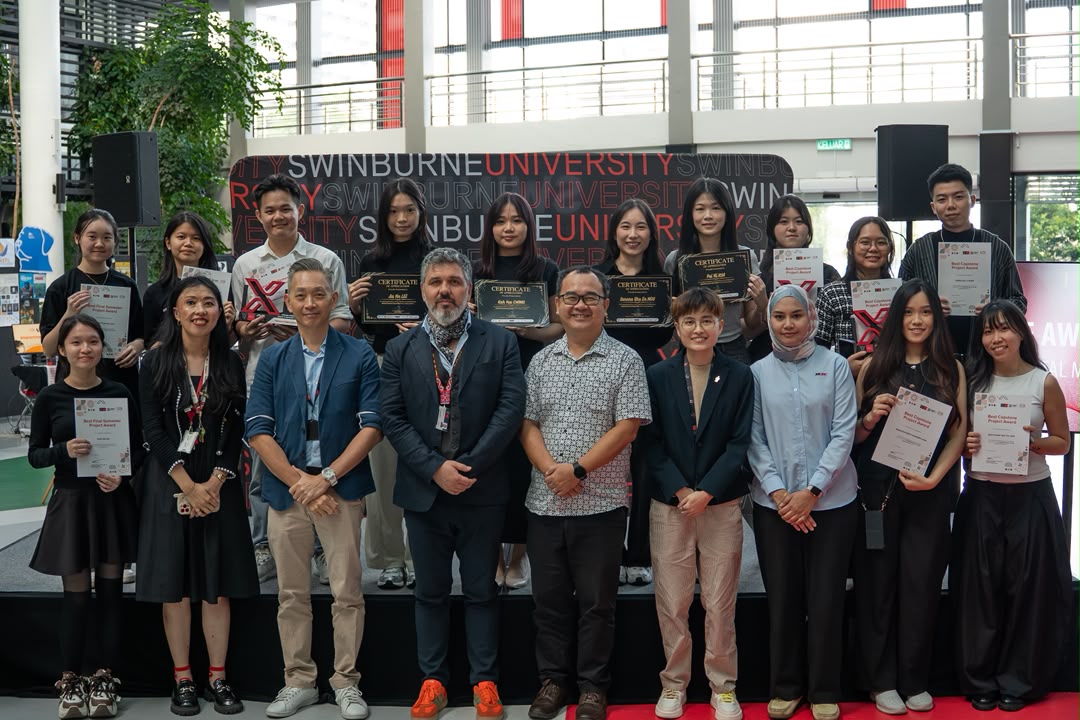
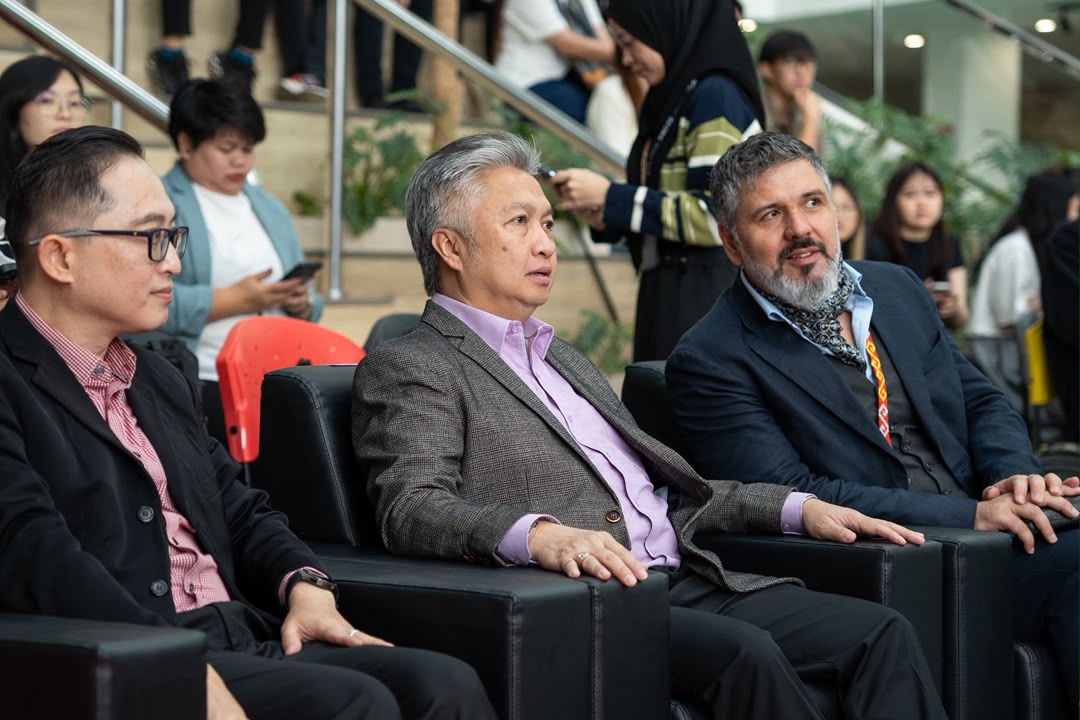
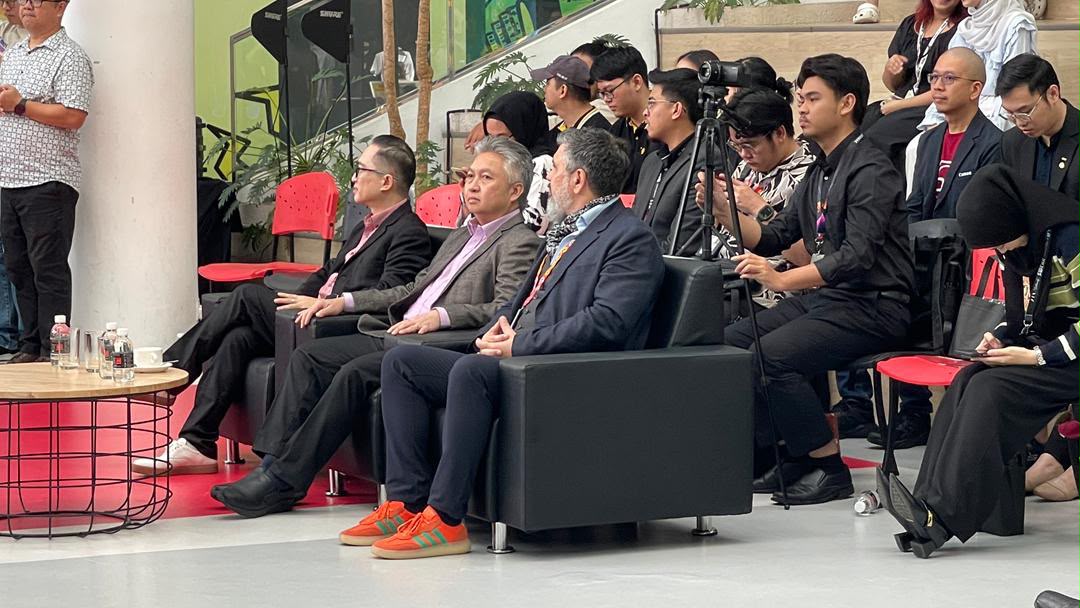
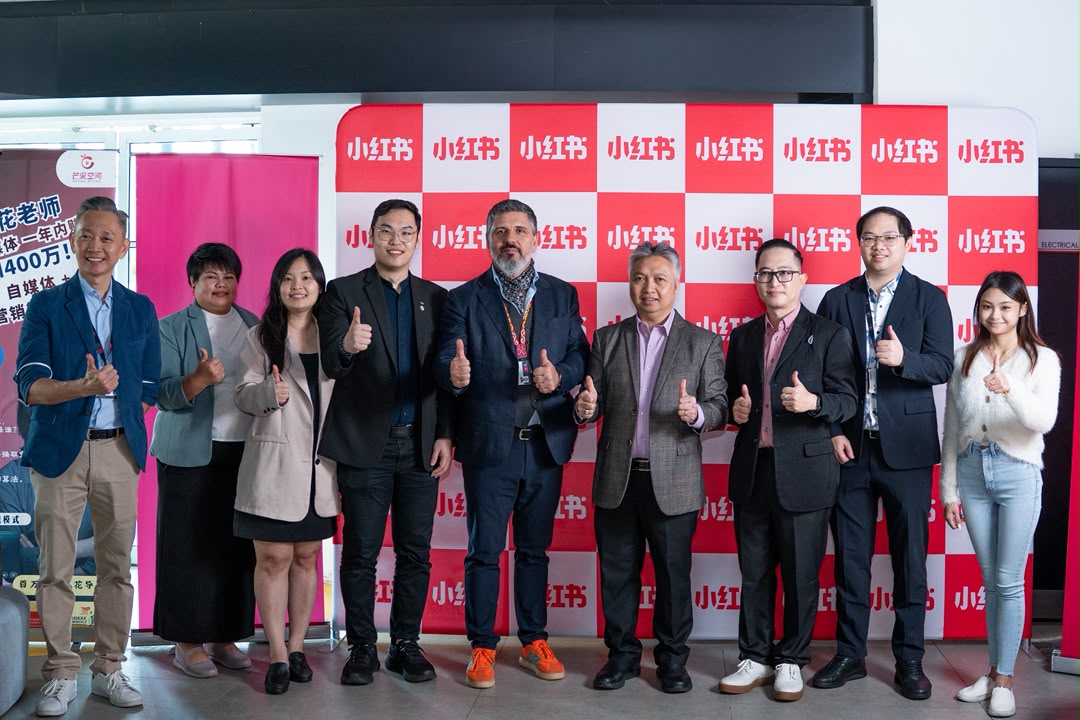
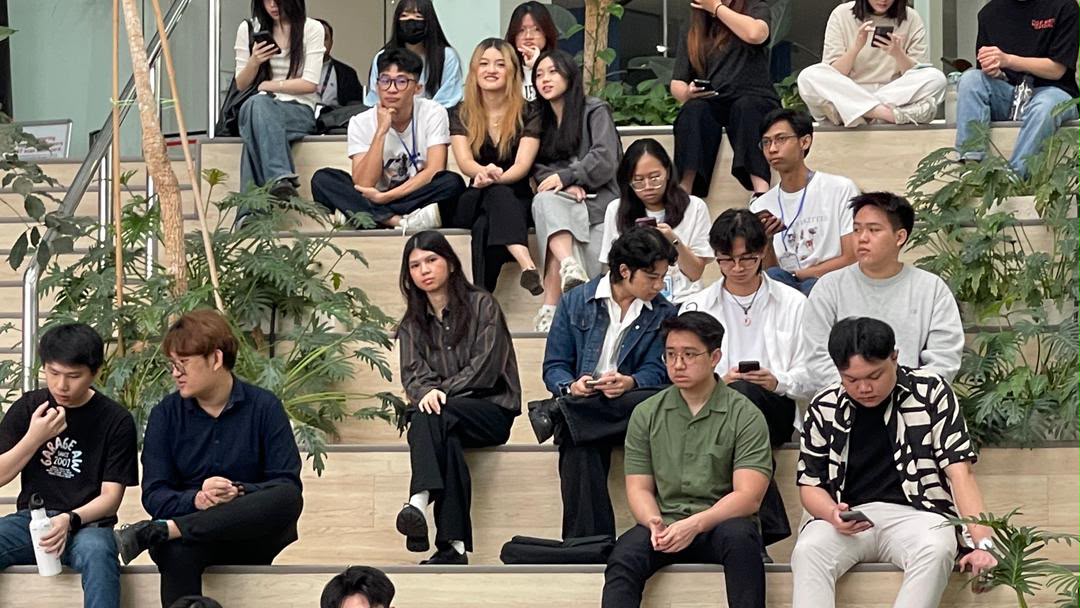
The Brandstorm Workshop is a collaboration with Mojo Media. The workshop is an opportunity for students, academics, industry representatives and community partners to collaboratively explore real-world challenges and innovative solutions. It is a 48-hour ideation sprint running over three days:
International Exhibition of Science, Technology, Design and Digital Arts • 30 November – 6 December 2026 • Sarawak Science Centre, Kuching, Sarawak, Malaysia
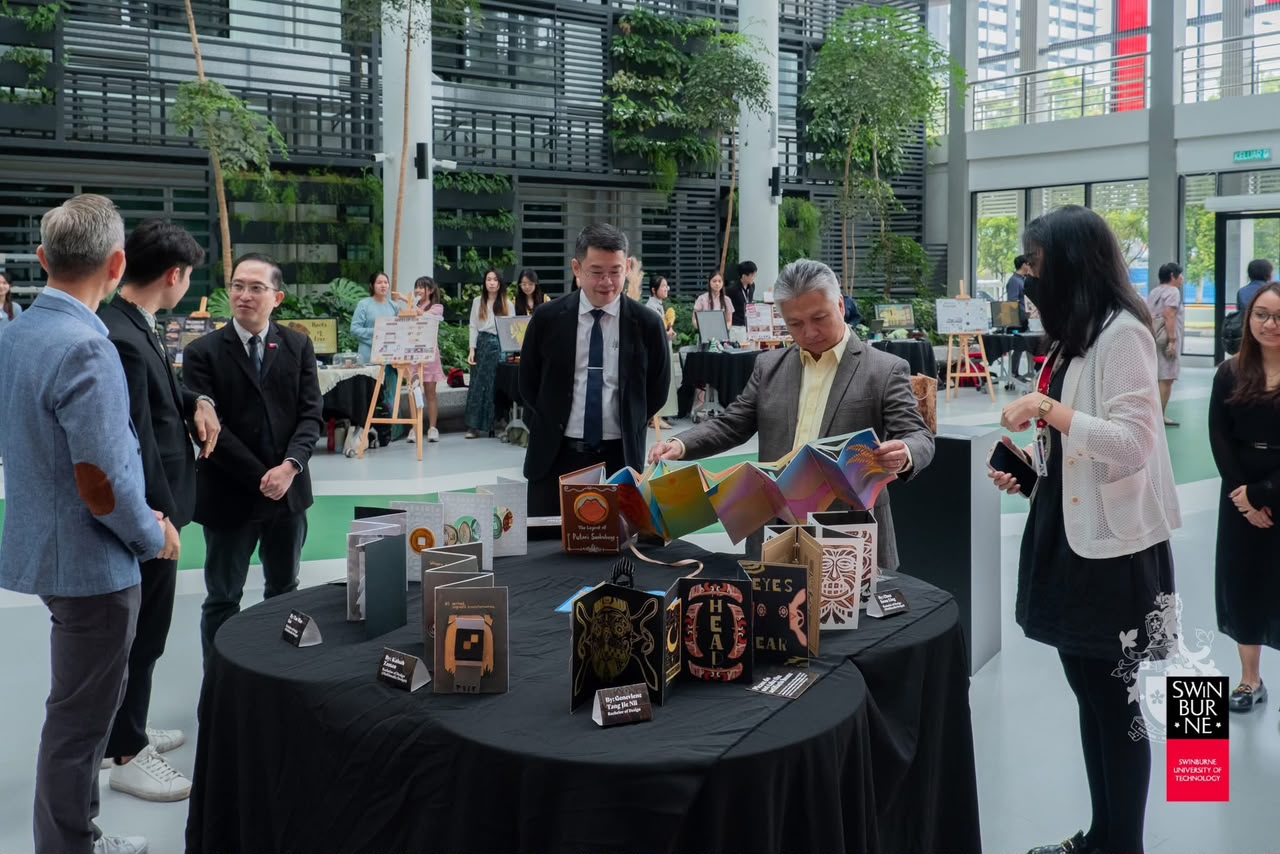
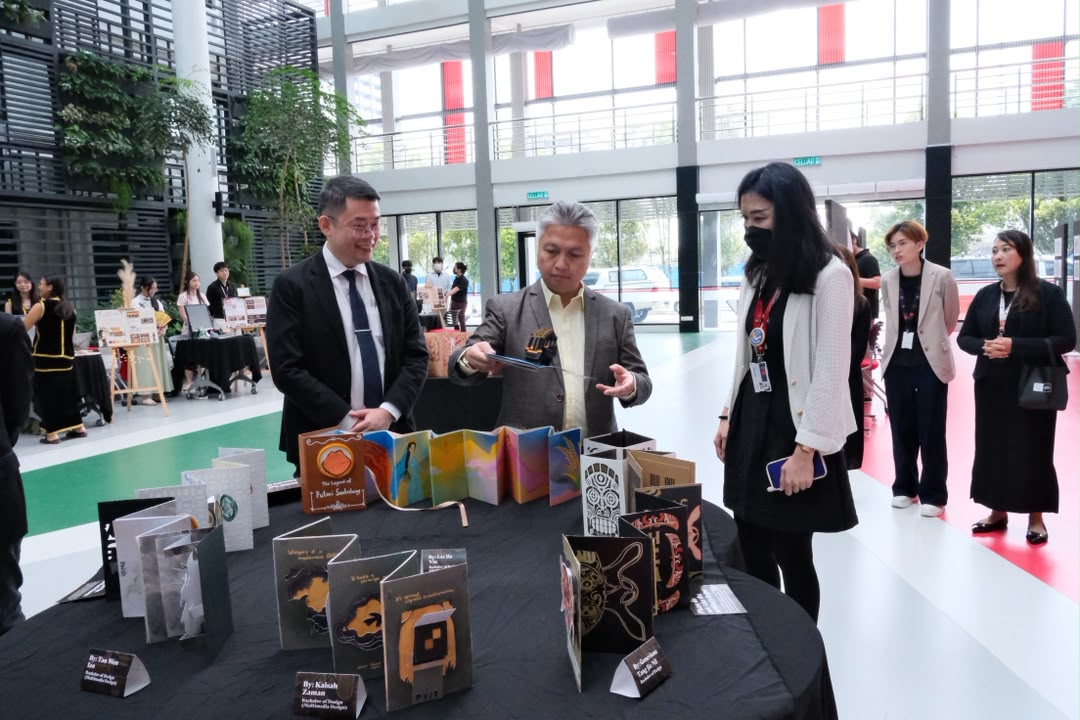
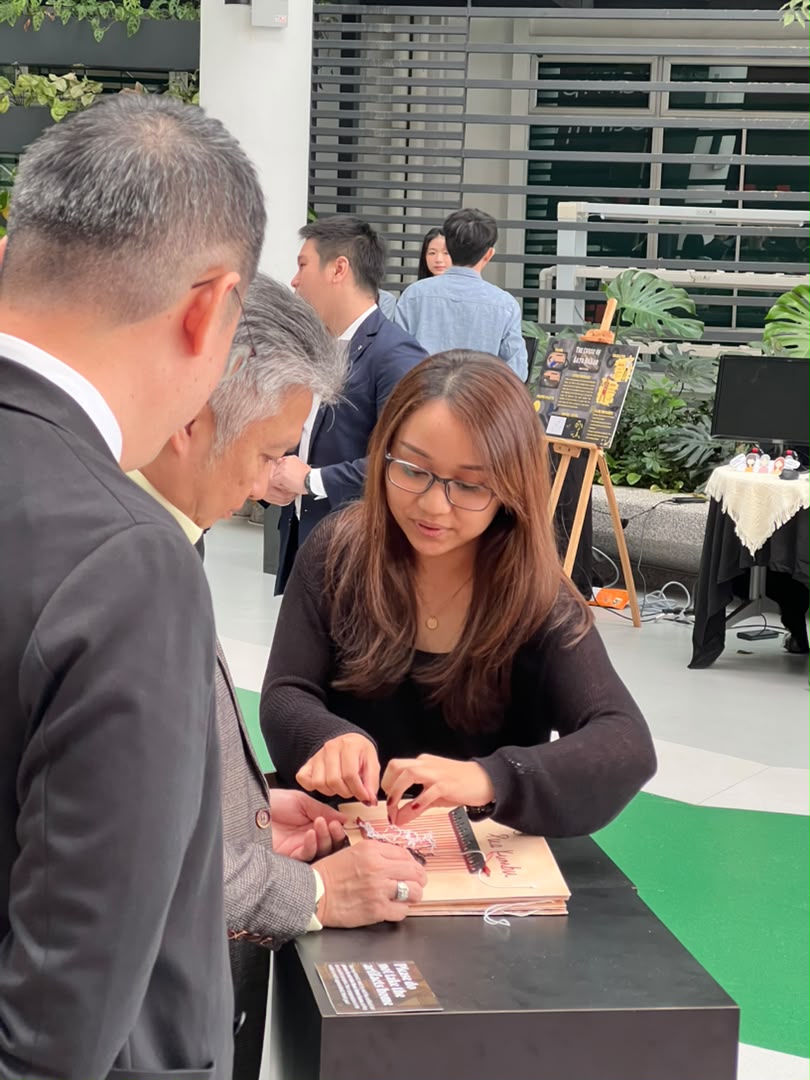
As emerging technologies increasingly blur the boundaries between physical and digital realities, In-Between Realities invites researchers, innovators, artists, designers and industry practitioners to showcase projects that redefine how we create, experience and imagine the future.
The exhibition explores the evolving relationships between design, art, science, technology, and society, celebrating research and creative practice that challenges conventional boundaries while addressing contemporary and future human experiences. Selected works will form part of the Good Design Week 2026 International Exhibition, bringing together outstanding research and creative projects from academia, industry, and independent practitioners.
Sarawak Science Centre, Kuching, Sarawak, Malaysia
📍 In-Between Realities International Exhibition
📅 30 November – 6 December 2026
The exhibition will take place at the Sarawak Science Centre as part of Good Design Week 2026, bringing together international artists, researchers, designers, and creative practitioners.
Project Video — up to 3 minutes, introducing the project's concept, innovation and outcomes.
Project Description — 500–800 words, including project title, authors and affiliations, project overview, research and/or creative contribution, innovation and significance, and keywords.
Please format your Project Description using the official style sheet: Download Article / Project Brief Template (.docx)
Submission format: Please upload your Project Description as a PDF through the online form.
The exhibition welcomes high-quality video presentations, digital artworks, interactive experiences, and physical installations.
Video-based presentations enable international participation without requiring artists to travel or transport physical artworks.
Physical installations are subject to available space and technical feasibility. Selected artists are responsible for providing the necessary equipment and covering all costs associated with transportation, installation, assembly, dismantling, and removal of their artworks. Technical arrangements must be coordinated with the Exhibition Organising Committee.
All submissions undergo a single-blind peer-review process conducted by an international Scientific and Exhibition Committee, evaluated on originality, research contribution, creative excellence, design quality, technical quality, relevance and potential impact. Only selected projects will be invited for exhibition.
All selected artists will be invited to present their work at the Good Design Week International Symposium, either online or in person.
This additional platform for international exposure and academic exchange allows artists to share their research, creative processes, and artistic contributions with an international audience, while connecting with fellow researchers, creative practitioners, and industry representatives.
There are no registration or presentation fees. Good Design Week 2026 aims to create an inclusive international platform for sharing research, innovative practice and industry experience.
International Symposium • Good Design Week 2026 • 2 December 2026 • Hybrid (On-site & Online) • Kuching, Sarawak, Malaysia
The creative industries are increasingly recognised as key drivers of innovation, entrepreneurship, cultural development and economic growth. Design, arts and emerging media now extend far beyond creative expression — they generate intellectual property, new products, services, experiences, technologies and sustainable business opportunities that shape the future economy.
Hosted as part of Good Design Week 2026, the symposium aims to strengthen collaboration between academia, industry and government while promoting innovation, knowledge exchange and the advancement of the creative industries and creative economy. The symposium welcomes contributions that demonstrate how creativity creates value — from research and experimentation to commercialization, entrepreneurship, social innovation, and cultural impact.
Interdisciplinary submissions are particularly encouraged.
Authors are invited to submit an extended abstract of 500–800 words, including: title, author(s), affiliation(s), background, objectives, research or project overview, methodology or professional approach, key findings or expected outcomes, significance and contribution, and three to five keywords.
Submission format: Please upload your submission as a PDF through the online form.
Please format your submission using the official style sheet and template for your submission type. Full formatting guidelines (fonts, headings, references, image specs) are included on the first page of each template.
All submissions undergo an international single-blind peer-review process conducted by the Symposium Scientific Committee, evaluated on relevance, originality, contribution, innovation, practical significance, and clarity of presentation.
All accepted abstracts will be published in the official Good Design Week 2026 Symposium Proceedings. Selected presenters may later be invited to submit a full paper for a future journal special issue or edited publication (an invitation to submit does not guarantee publication).
The symposium runs in a hybrid format — on-site in Kuching, Sarawak, or online from anywhere in the world. There are no registration or presentation fees for accepted presenters and symposium participants.
Swinburne Sarawak presents a week-long celebration of art, design, technology and creative industries, featuring an international exhibition, global symposium, Industry X Day and two exclusive Hong Kong television workshops — all free and open to the public from 30 November to 6 December 2026.
Participation is free, providing opportunities for members of the public, as well as researchers, students, industry professionals and the wider creative community to engage with international expertise. If you are interested in joining us on this exciting adventure, please register via the link or QR Code below to help us best prepare for you and the audience on the whole.

| Steering Committee | A/P Dr. Predrag Nikolic, Professor Dr. John McCormick, A/P Dr. Max Schlaser, Greg Lik Hoo Wee, Eunice Mei Yuan Law |
| Good Design Week Chair | Gregory Lik Hoo Wee |
| Industry X Day Chair | Eunice Mei Yuan Law |
| In-Between Realities Exhibition Curators | A/P Dr Predrag K. Nikolic, Gregory Lik Hoo Wee |
| Industry X Day Exhibition Committee | Gregory Wee (Degree Multimedia Design), Michael Lee (Degree Communication Design), Jasmine Ng (Diploma in Digital Media Design) |
| Opportunity & Demo Zone Committee | Jenny Liew, Samuel Liau, Luqman Zulhilmi, Ting Mee Ling |
| Promotion & Public Relations Committee | Jasmine Ng, Sudang Johnny, Dr. Ally Lee |
| Scientific Committee | A/P Dr. Predrag Nikolic, Professor Dr. John McCormick, A/P Dr Max Schleser, Dr. Swetha Madhusudanan, Dr. Christina Yin, A/P Dr Mark Freiermuth, Dr. Melinda Kong |
| Sponsorship Committee | Cynthia Aling, Choo Chian Hou, Rosedelina Mustapha, Dr. Alicia Lim |
| Logistics Committee | Michael Lee, Cassandra Lau, Darren Angking, Dr. Naning Tri Wahyuni |
For any questions, please contact the GDW Chairs at [email protected] (symposium matters) or [email protected] (exhibition / NTRO matters).
Director, Centre for Transformative Media Technologies (CTMT), Swinburne University of Technology, Melbourne
Presentation: When an Agent Walks Into the World: Embodiment, Movement and Agency Beyond the Screen
Professor John McCormick is Director of the Centre for Transformative Media Technologies (CTMT) at Swinburne University of Technology, Melbourne and a researcher, artist, and educator working at the intersection of creative practice and emerging technologies. His work spans robotics, artificial intelligence, motion capture, virtual and augmented reality, volumetric capture, and human-computer interaction, with a particular focus on movement, embodiment, and human-robot collaboration.
John has collaborated on artistic and research projects internationally, presenting work through organizations and events including ISEA, SIGGRAPH, Ars Electronica Futurelab, the Venice Biennale, SIGGRAPH Asia, Melbourne Festival, and the Tokyo International Forum. His research explores how advanced technologies can transform artistic expression, cultural heritage, health, education, and industry.
A former Australia Council Arts Fellow and Australian Antarctic Arts Fellow, John has developed innovative projects that combine artistic inquiry with technological experimentation. His recent research investigates embodied interaction between humans and robots, immersive storytelling, extended reality environments, and the preservation and transmission of cultural knowledge through digital media.
As Director of CTMT, John leads interdisciplinary collaborations bringing together artists, designers, engineers, industry partners, and researchers to explore technology for social, cultural, and scientific impact. His current projects include research into human-robot communication, mixed reality systems, creative robotics, and the use of AI and immersive technologies to support new forms of learning, performance, and cultural engagement.
University of Arts Linz, Austria
Christa Sommerer is an internationally renowned media artist, researcher and pioneer of interactive art. Together with Laurent Mignonneau she created around 50 interactive artworks that were presented in around 400 international exhibitions. She won many awards including the Austrian State Art Award in the category media art, the Wu Guanzhong Art and Science Innovation Prize awarded by Ministry of Culture of the People’s Republic of China as well as the Golden Nica Award at Ars Electronica. She worked at the IAMAS Institute of Media Arts and Sciences in Gifu Japan, at the ATR Research Laboratories in Kyoto Japan and at the NCSA in Champaign Urbana, USA. Sommerer held visiting professor positions at CAFA Central Academy of Fine Arts Beijing, Tsukuba University and at Aalborg University, Denmark. In 2004, together with Laurent Mignonneau, she founded the department for Interface Cultures in Linz, Austria. She was a professor and head of the department from 2004 until 2022.
University of Arts Linz, Austria
Laurent Mignonneau is an internationally renowned media artist, researcher and pioneer of interactive art. Together with Christa Sommerer he created around 50 interactive artworks that were presented in around 400 international exhibitions. He won many awards including the Austrian State Art Award in the category media art, the Wu Guanzhong Art and Science Innovation Prize awarded by Ministry of Culture of the People’s Republic of China as well as the Golden Nica Award at Ars Electronica. He worked at the IAMAS Institute of Media Arts and Sciences in Gifu Japan, at the ATR Research Laboratories in Kyoto Japan and at the NCSA in Champaign Urbana, USA. Mignonneau held guest professor positions at Tsukuba University in Japan and was a Chaire Internationale at Paris 8 University (ATI Labex) in France. In 2004, together with Christa Sommerer, he founded the department for Interface Cultures in Linz, Austria. He is professor of Interface Technologies and Interaction Design at Interface Cultures since 2004 and the head of this department since 2026.
Co-Founder and Creative Director, CtrlD Studio, Malaysia
Presentation: Local Studio, Global Audience: A Glimpse Into the Production of Our Video Game IP
Suan is the co-founder and creative director of CtrlD Studio (pronounced control-dee), a Malaysian indie game development studio with roots in the creative tech sector. She co-founded the studio after graduating in 2019 with an award-winning student game, focusing on interactive design projects for a few years before taking the leap to develop the studio’s first commercial game title — Overhours; set to release on Steam and XBOX consoles in 2026.
She also spearheads the Sarawak Game Developers Community (SwkGDC), a community group founded in 2022 to be a hub to connect game developers in the East Malaysian state and to foster awareness of game development locally. The group has been able to establish an annual flagship event, the SwkGDC Game Jam, now one of the biggest and most sought-after game jams in the state. Since founding the studio, Suan has attended events and panels as a mentor, speaker, and host; to share her experiences and learnings in indie game development, creative leadership, and community building.
Associate Professor of Multimedia Design and Head of the School of Design and Arts, Swinburne University of Technology Sarawak, Malaysia
Presentation: The Hugging Face Incident and the Question of Synthetic Morality
Assoc. Prof. Predrag K. Nikolić is an internationally active media artist, researcher, designer, and educator working at the intersection of artificial intelligence, interactive art, philosophy, and emerging technologies. He is an Associate Professor of Multimedia Design and Head of the School of Design and Arts at Swinburne University of Technology Sarawak, Malaysia.
His interdisciplinary artistic and research practice investigates human–machine relationships, synthetic intelligence, artificial consciousness, machine ethics, and the philosophical implications of increasingly autonomous computational systems. Through experimental installations, interactive performances, and immersive environments, he examines how artificial intelligence challenges established understandings of creativity, morality, knowledge, and human agency.
His artistic investigations include Botohara, Botorikko, Robosophy Philosophy, Metaphysics of the Machines, and Epistemoverse, exploring synthetic morality, machine-generated philosophical discourse, and the emergence of new forms of knowledge through interactions between artificial agents. His ecological projects, including Terrestrial Decolonization and Aquaterrestrial Recolonization, extend these investigations into environmental systems, biocultural knowledge, and human–nonhuman relationships.
His work has been presented at the prestigious international exhibitions, festivals, and academic conferences such as Ars Electronica, SIGGRAPH, MIT EmTech, ARTECH and ISEA. Combining artistic experimentation with scholarly research, he approaches emerging technologies not simply as creative tools but as subjects of critical philosophical inquiry.
His current research explores the ethical contradictions of synthetic intelligence, the evolving boundaries between human and artificial agency, and the potential of AI-driven systems to reshape cultural and intellectual futures.
Associate Professor in Film and Television; Theme Leader, Creative Arts, CTMT; Department Chair, Film, Games and Animation, Swinburne University of Technology, Australia
Presentation: Time Traces, an experimental audiovisual installation
Max Schleser (BA Hons, MA Art and Media Practice with Distinction, PhD Westminster) is Associate Professor in Film and Television, Theme Leader Creative Arts in the Centre for Transformative Media Technologies (CTMT) and Department Chair, Film, Games and Animation at Swinburne University of Technology (Melbourne, Australia). He is an Adobe Creative Educator Innovator, Founder of the Mobile Innovation Network & Association (www.mina.pro) and Screening Director of the International Mobile Innovation Screening & Festival.
Max Schleser is an award-winning filmmaker (www.schleser.nz) with expertise in immersive media, documentary film and creative arts with a focus on cinematic VR, interactive and algorithmic filmmaking. His research explores screen production, emerging media and smartphone filmmaking for community engagement, creative transformation and transmedia storytelling.
His experimental films, moving-image arts and cinematic VR projects are screened at film festivals, in galleries and museums including FLEFF Film Festival (USA), Festival de La Imagen (Colombia), Museu da Imagem e do Som – Museum of Moving Image (Brazil), London Gallery West, South London Gallery (both UK), Ngā Taonga Sound & Vision – New Zealand Film Archive, Te Papa Tongarewa – Museum of New Zealand (both Aotearoa/New Zealand), Pocket Film Festival and Videoscope (both France). His mobile feature film Max with a Keitai (2007) is included in the public film archive in the Forum des Images in Paris (France), and the smartphone documentary feature Frankenstorm (2014) was broadcast on CTV, Canterbury Television (Aotearoa/New Zealand).
Monash University, Australia
Presentation: Time Traces, an experimental audiovisual installation
Dr Martin K. Koszolko is a recognised expert in remote music collaboration. An award-winning music producer, he has been creating music for over two decades. Since 2012, Martin has employed a wide range of collaborative solutions for music creation. In 2017, he earned a doctorate specialising in Remote Music Collaboration. Leveraging specialised collaborative platforms, he has co-written and produced numerous singles, EPs, and albums, and has performed live over the internet with international remote collaborators. He has presented his work at national and international seminars and conferences and has published extensively on the art of collaborative music production and music innovation. In addition, he consults for companies developing cloud-based and collaborative software for music creators. Martin’s music and visual works are featured in the Australian Music Vault at Arts Centre Melbourne.
Koszolko produces music under the monikers Philosophy Of Sound, KOshowKO, and iubar project, among others. He has extensive experience as a composer, performing musician, remixer and video producer and is the vice-president of Clan Analogue Recordings, the record label arm of Australia’s longest-running electronic music collective. Martin has contributed to over 60 releases on a number of international labels, including Golden Soul, Discotexas, Emerald & Doreen and Clan Analogue. Many of these releases were created in collaboration with remote partners worldwide. His music performances utilise mobile and interactive technologies and have been seen by international audiences.
National Tsing Hua University (NTHU), Taiwan
Presentation: The Poetics of Systems: Re-humanizing Digital Technologies through Rational Art
Chih-Yung Chiu currently serves as Associate Dean of the College of Arts, Professor and Director of the Graduate Institute of Art and Technology, and Director of the Interdisciplinary Program of the Technology and Art in the College of Arts at National Tsing Hua University (NTHU), Taiwan. Recognizing his scholarly excellence and leadership, he has conferred several prestigious honors, including the NTHU–Delta Outstanding Faculty Chair Professorship (2023), the NTHU–Ching-Jing Outstanding Faculty Chair Professorship (2024), and the NTHU Outstanding Research Award from the Outstanding Talent Development Fund (2025).
His academic specializations intersect digital aesthetics, techno-cultural studies, art criticism, and curatorial practice. His research and international profile have been supported by notable honors and competitive fellowships, including the 1st and 2nd Digital Art Criticism Awards (2007, 2008) and a visiting fellowship at Kansai University (2023). In addition, he has repeatedly received principal research grants from the National Science and Technology Council (NSTC), establishing himself as a key curator, critic, and juror in Taiwan’s technology art sector.
Prof. Chiu’s curatorial practice bridges domestic institutions and international venues such as Right Where It Belongs: 2024 International Techno Art Exhibition, Post-Digital Anthropocene: 2019 International Techno Art Exhibition, 2014 Techno Art Exhibition: Wonder of Fantasy, Fading Digital Memories (2020), Digitized Traditional Artistry: Art Research Exhibition (2019), and Unordinary Pathway (2023). He also curated the Ars Electronica Campus Exhibitions in Linz—including Anthrocenidion (2024), !heard, !seen, !done (2025), and Anthropogenic Encroachment (2026). His books Significant Discourse and Local Practice: New Media Art in Taiwan’s Context (2012) and Taiwan Digital Performance and Techno-Theatre (2023) have grown to be the most influential works in Taiwan’s techno-art academic community.
Associate Head of School (International and Engagement), School of Art and Design; Head of Department for Animation, Visual Effects and Game Design, Auckland University of Technology, New Zealand
Presentation: Portals/Traces: Creative Practice Between Physical and Digital Realities
Dafydd Sills-Jones is a researcher, filmmaker and academic based at Auckland University of Technology (AUT), Aotearoa New Zealand. He is Associate Head of School (International and Engagement) in AUT's School of Art and Design, Head of Department for Animation, Visual Effects and Game Design, and a director of the Virtual and Creative Design Research Centre.
His research spans documentary film, creative media practice, mobile media, virtual production and emerging technologies. A continuing concern in his work is the relationship between media technologies, cultural identity, place and the ways in which creative practices are shaped by their social and material contexts.
Originally from Wales, Sills-Jones has a longstanding interest in minority-language media and culturally situated forms of storytelling. His creative practice includes experimental film and media projects, alongside research into the changing relationships between documentary, performance and digital technologies.
He currently leads Portals/Traces: Material Ecologies of Virtual Production, an international research project exploring collaboration between geographically distributed creative studios. The project investigates artificial intelligence, motion capture, extended reality and shared digital environments as means of developing new forms of creative practice across institutional and geographical boundaries.
He is also an editor of the International Journal of Creative Media Research and an editor of Peter Lang's Documentary Film Cultures book series. His recent editorial work includes Documentary in the Age of AI (2025).
Founder, The New Art School, United Kingdom
Presentation: The Human Advantage: Why Designers Must First Be Educated as Artists
Lefteris is a designer, photographer and international design educator with more than 35 years of experience in creative practice and higher education. His career encompasses professional design, academic leadership and teaching, informed by a continuing interest in how people develop their creative abilities. He founded The New Art School in 2009 to advance an education grounded in artistic practice, independent thinking and professional responsibility. Drawing, photography and the experience of making remain central to his approach. He is particularly interested in how students learn to observe, develop ideas and establish a creative voice of their own. His academic experience includes leading the Graphic Design and Illustration degree programmes at Buckinghamshire New University, alongside visiting professorships at the World University of Design and Woxsen University. He works as a higher education consultant, external examiner and academic adviser, including advisory work with Liverpool John Moores University. He also serves as Chair of the International Academic Jury for the 20th IAI Design Award.
Since 2019, Heretakis has hosted Design Education Talks, an international podcast with more than 120 episodes exploring creative practice and education through conversations with designers, artists and educators. Through these exchanges, his writing and his teaching, he contributes to international discussion about studio culture, the changing design profession and the future of creative education.
Director, Department of Design, Faculty of Architecture, Music and Design, Universidad de Talca, Chile
Presentation: Design for Emergence: Project Fidelity as an Emergent Property of Methodological Integration in Emergency Situations
Javier Lorca Álvarez is a Chilean designer, academic, and design researcher currently serving as Director of the Department of Design at the Universidad de Talca, Chile. He holds a degree in Design from the Pontificia Universidad Católica de Chile and a Master's degree in Industrial Design and Product Development from the Universitat Politècnica de Catalunya, Spain.
His academic and professional practice focuses on systemic design methodologies, product development, digital prototyping, and design-led innovation. With extensive experience in design education, he has supervised more than 250 student projects, particularly in advanced design studios, undergraduate thesis development, and final-year projects. His work explores the integration of systemic thinking, CAD-CAM technologies, and rapid production processes to address complex design challenges, including opportunities within the agricultural and industrial sectors.
Beyond his teaching and research responsibilities, Lorca plays an active role in advancing design education and research in Chile. He serves as President of the national network of university design schools, promoting greater recognition of design research methodologies within academic and scientific frameworks.
His interdisciplinary creative practice also explores relationships between materials, technology, and spatial perception. In 2026, he presented Láminas de Luz Modulada, an exhibition investigating interactions between ceramics, light, and shadow, supported by the Universidad de Talca's artistic creation funding programme.
His work connects design education, technological experimentation, and creative research with broader questions of innovation and disciplinary development.
Associate Professor of Art History, Federal University of São Paulo (UNIFESP), Brazil
Presentation: Mapping Art and Artificial Intelligence from the Global South: The Brazilian Observatory
Ana Avelar is a Brazilian art curator and Associate Professor of Art History at the Federal University of São Paulo (UNIFESP). Her research focuses on modern and contemporary Brazilian art, digital art, artificial intelligence, and curatorial practices, with particular attention to feminist perspectives, technological diversity, and the politics of representation.
She coordinates the Brazilian Observatory of Art and Artificial Intelligence (OBAIA), a research initiative dedicated to mapping, documenting, and critically examining artistic practices involving AI in Brazil. She also leads Technodiversities: Arts and Technologies at UNIFESP, a project exploring diverse relationships between artistic practices, technological systems, and knowledge production.
Avelar has curated numerous exhibitions in Brazilian museums and cultural institutions, including the Museum of the Inconfidência, where she develops contemporary art interventions that critically engage with historical collections and institutional narratives.
Her curatorial projects include digital art exhibitions and initiatives developed for the National Museum of the Republic in Brasília and the Leopoldo Gotuzzo Museum of Art in Pelotas. The exhibition System Update, developed with her research group, received an award from the Brazilian Association of Art Critics (ABCA) in 2023.
Her publications address digital arts, Brazilian abstraction, women artists, and the transformation of curatorial practices in contemporary art.
Actor and Television Personality, Hong Kong
Presentation: New possibilities for cross-regional entertainment and storytelling.
Dr. Ellesmere Choy Tsz Kin (蔡子健) is an experienced Hong Kong actor and television personality recognised for his work in Hong Kong television dramas and entertainment programmes. With a career spanning acting and television presenting, he has built a strong connection with audiences through his performances and on-screen presence, particularly among generations of viewers who grew up watching Hong Kong television dramas.
As part of Hong Kong’s television entertainment industry, Dr. Choy represents an era of television storytelling that has left a lasting cultural impression across Southeast Asia, where Hong Kong dramas have enjoyed widespread popularity for decades. His acting experience, familiarity with television production, and connection to Hong Kong’s entertainment community position him as a valuable figure in engaging regional audiences who share an appreciation for classic Hong Kong television.
Today, Dr. Choy continues to champion opportunities for creative and cultural exchange, drawing upon his experience and industry connections to foster collaborations between Hong Kong and Southeast Asia. His involvement offers an opportunity to reconnect audiences with the nostalgia and enduring appeal of Hong Kong television while introducing new possibilities for cross-regional entertainment and storytelling.
Hong Kong-Sarawak Cultural Corridor, Hong Kong
Presentation: Culture should not merely be exchanged; it should be created together.
KONG Peng is a Sarawak-born, Hong Kong-based healthcare strategist, social-impact advocate, and creative practitioner whose work explores the intersections of music, film, drama, healthcare, and cultural exchange.
Alongside a career spanning healthcare management, philanthropy, and strategic advisory work, Peng is increasingly pursuing creative collaborations and strengthening ties between Hong Kong’s film and television community and Sarawak. Recent initiatives have included discussions on screen collaborations between Hong Kong and Sarawak across film, television drama, and other forms of content. At the heart of his vision is the Hong Kong-Sarawak Cultural Corridor, a bridge that enables artists, filmmakers, musicians, performers, educators, and emerging creative talent to collaborate and tell stories together.
Peng’s creative interests also extend to mental health and stage performance. He previously supported and advised a mental health and stage performance program through the Hong Kong Repertory Theatre. He also serves as an advisor to Wraparound Healthcare Limited in Hong Kong and Malaysia, connecting his creative and social-impact interests with healthcare innovation. In Sarawak, he hosted Wraparound Healthcare’s 2026 AI & Modern Healthcare Conference in Kuching, bringing healthcare and emerging technology into a broader conversation.
Ultimately, Peng’s philosophy is simple: Culture should not merely be exchanged; it should be created together.