

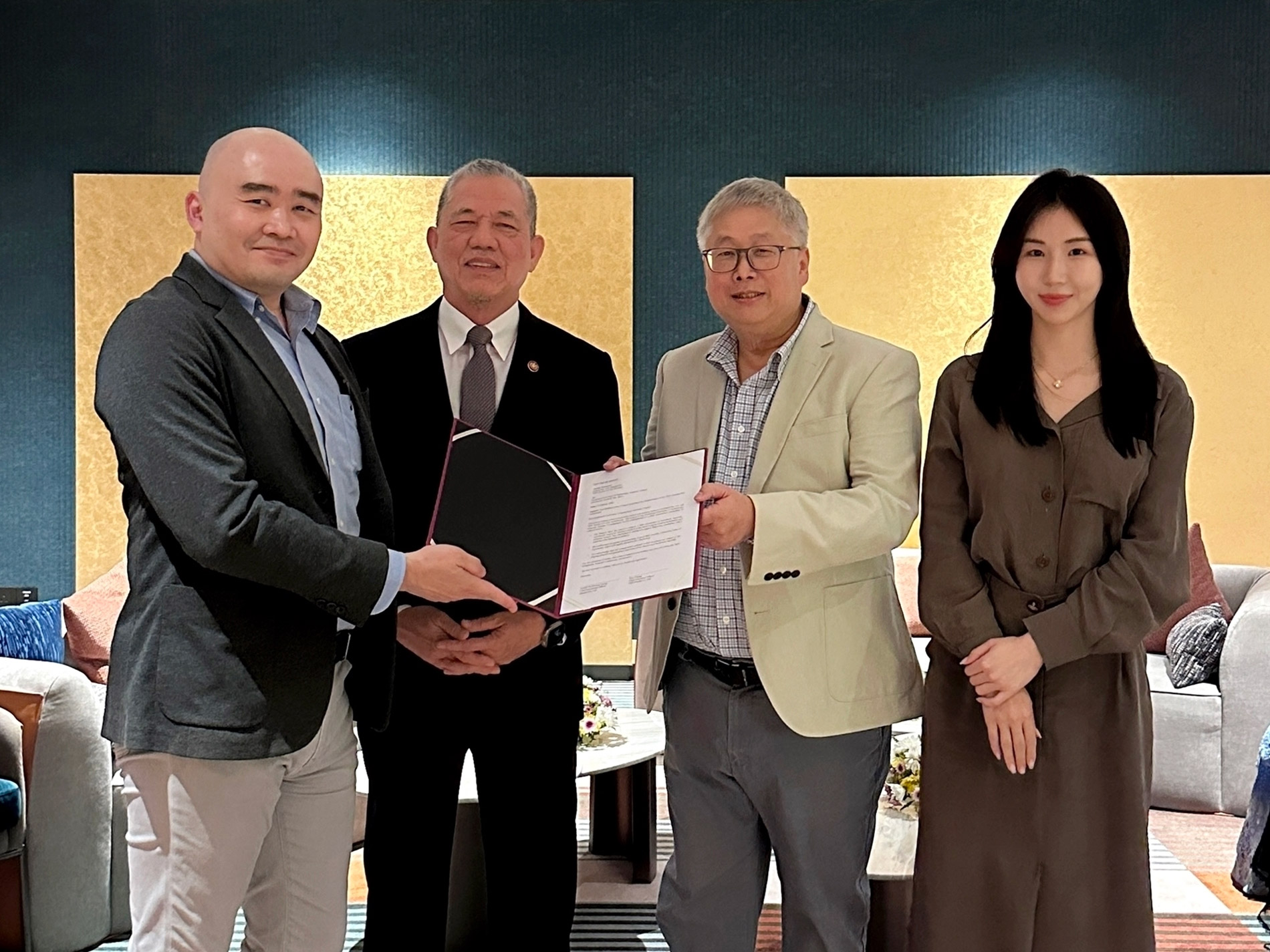
KUCHING – Swinburne University of Technology Sarawak Campus recently hosted international research and investment partners for a campus visit that culminated in the signing of a Letter of Intent (LOI) to advance the establishment of artificial intelligence-focused PhD scholarships at Swinburne Sarawak.
The engagement on 26 January 2026 involved representatives from Quatini Pte Ltd, a Singapore-based research and investment platform, and its affiliate company, YRY Pacific Co Ltd, headquartered in the Republic of Korea.
The LOI was signed on behalf of Quatini by its Investor, Gerald Leong, and on behalf of YRY Pacific by its Chief Executive Officer Yery Chung, marking a formal step in developing a cross-border research and innovation collaboration anchored in Southeast Asia.
The exchange of the LOI took place in the presence of YAB Datuk Amar Haji Fadillah bin Haji Yusof, Deputy Prime Minister of Malaysia and Minister of Energy Transition and Water Transformation, prior to his official engagement with the Oxbridge Society. His presence reflected support for advanced doctoral research and international academic engagement.
Under the proposed framework, the initiative will support Malaysian doctoral candidates, with preference for Sarawakians, undertaking interdisciplinary research at the intersection of artificial intelligence (AI), humanities, and environmental science.
The initiative is structured as a cross-border research and innovation partnership involving private-sector participation from Singapore and South Korea, working in collaboration with Swinburne Sarawak as the academic host institution. In addition to doctoral supervision, the framework anticipates translational pathways, including data platforms, intellectual property development, and innovation initiatives emerging from advanced AI research, subject to university governance and academic standards.
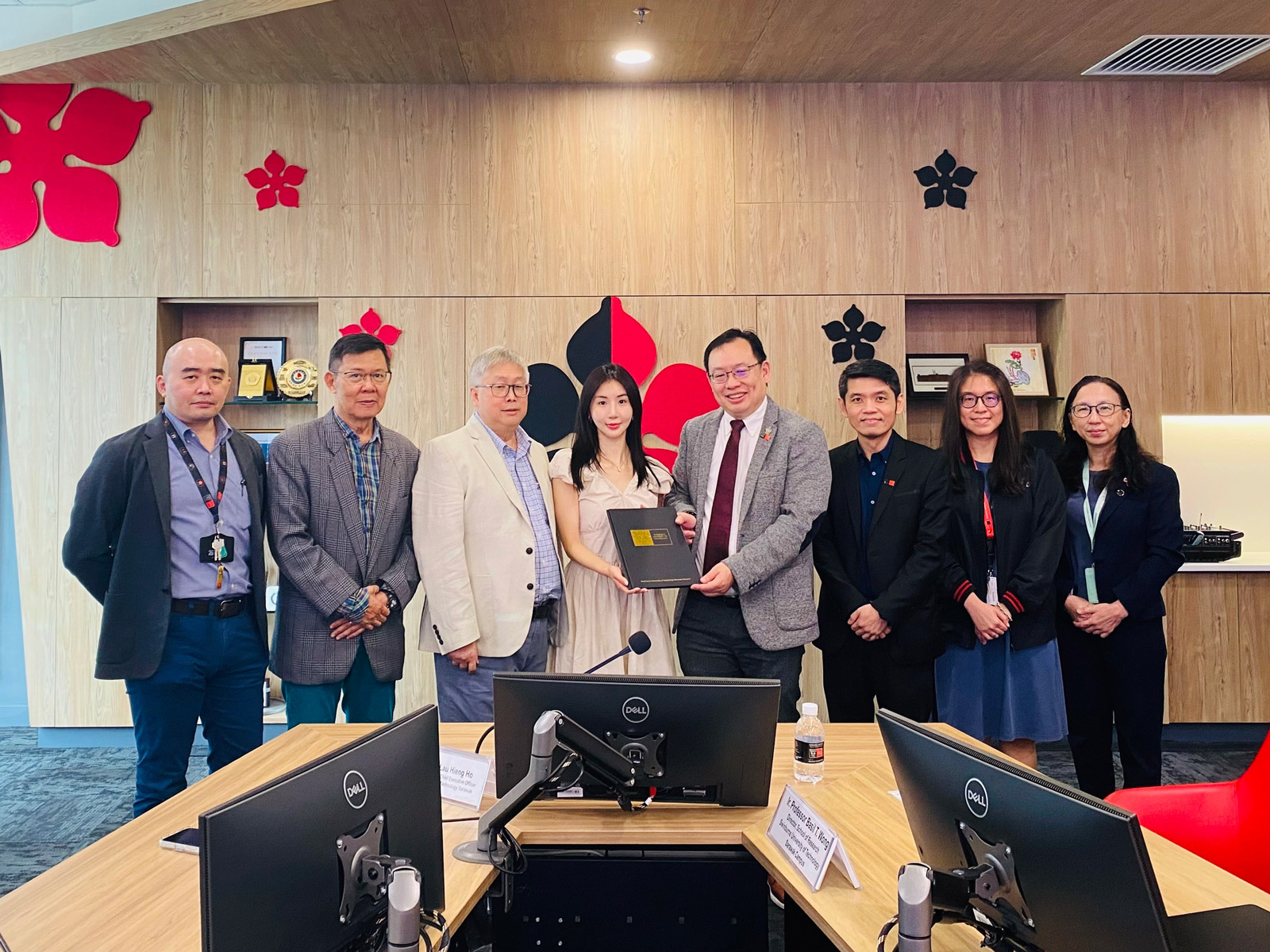
Exchange of the Letter of Intent. Seen are (from left) Ir Associate Professor Dr Choo Chung Siung; John Teo, Associate, Quatini; Gerald Leong; Yery Chung; Ir Professor Lau Hieng Ho; Ir Professor Basil Wong; Ts Dr Lee Sue Han, Head of Department, Information and Communication Technologies, Swinburne Sarawak; and Ts Professor Lau Bee Theng, Associate Dean (Research and Development), Faculty of Engineering, Computing, and Science, Swinburne Sarawak.
The collaboration centres on two key research streams. YRY Pacific will focus on AI in digital humanities, with particular emphasis on computational approaches to artist recognition within South Korean contemporary art. Research may involve modelling recognition trajectories, analysing curatorial networks and institutional validation patterns, exploring symbolic interpretation systems, and developing AI-assisted frameworks to understand how artists achieve cultural visibility and historical inscription across regional and global contexts.
Quatini will focus on AI applications in digital planetary boundaries and environmental science, with specific attention to Sarawak and Southeast Asia. Research directions may include natural capital accounting, computational modelling of Borneo’s ecosystems, biodiversity intelligence systems, climate data integration, and digital twin architectures for ecological governance. The work will engage with internationally recognised natural capital account methodologies while grounding analysis in the ecological realities of peatlands, mangroves, Irrawaddy dolphins, dipterocarp forests, and riverine systems in Borneo.
While research themes may be global in orientation, they are expected to generate meaningful research outcomes with clear regional relevance, strengthening both Sarawak’s environmental knowledge systems and Southeast Asia’s cultural research capacity.
Representatives from Swinburne Sarawak’s leadership and faculty, including its Pro Vice-Chancellor and Chief Executive Officer Ir Professor Lau Hieng Ho, Director of the Centre for Innovative Society Ir Associate Professor Dr Choo Chung Siung, and Director of the School of Research Ir Professor Basil Wong, were present during the signing and accompanying discussions, reflecting the university’s commitment to structured, impact-oriented international partnerships. The LOI formalises the parties’ shared intention to progress toward a definitive agreement through established institutional processes.
The signing represents a considered step toward embedding advanced AI research within an intellectual architecture that connects computational artist recognition studies in South Korea with planetary boundary and natural capital research in Sarawak, positioning Swinburne Sarawak as a site for interdisciplinary scholarship linking culture, ecology, and AI.
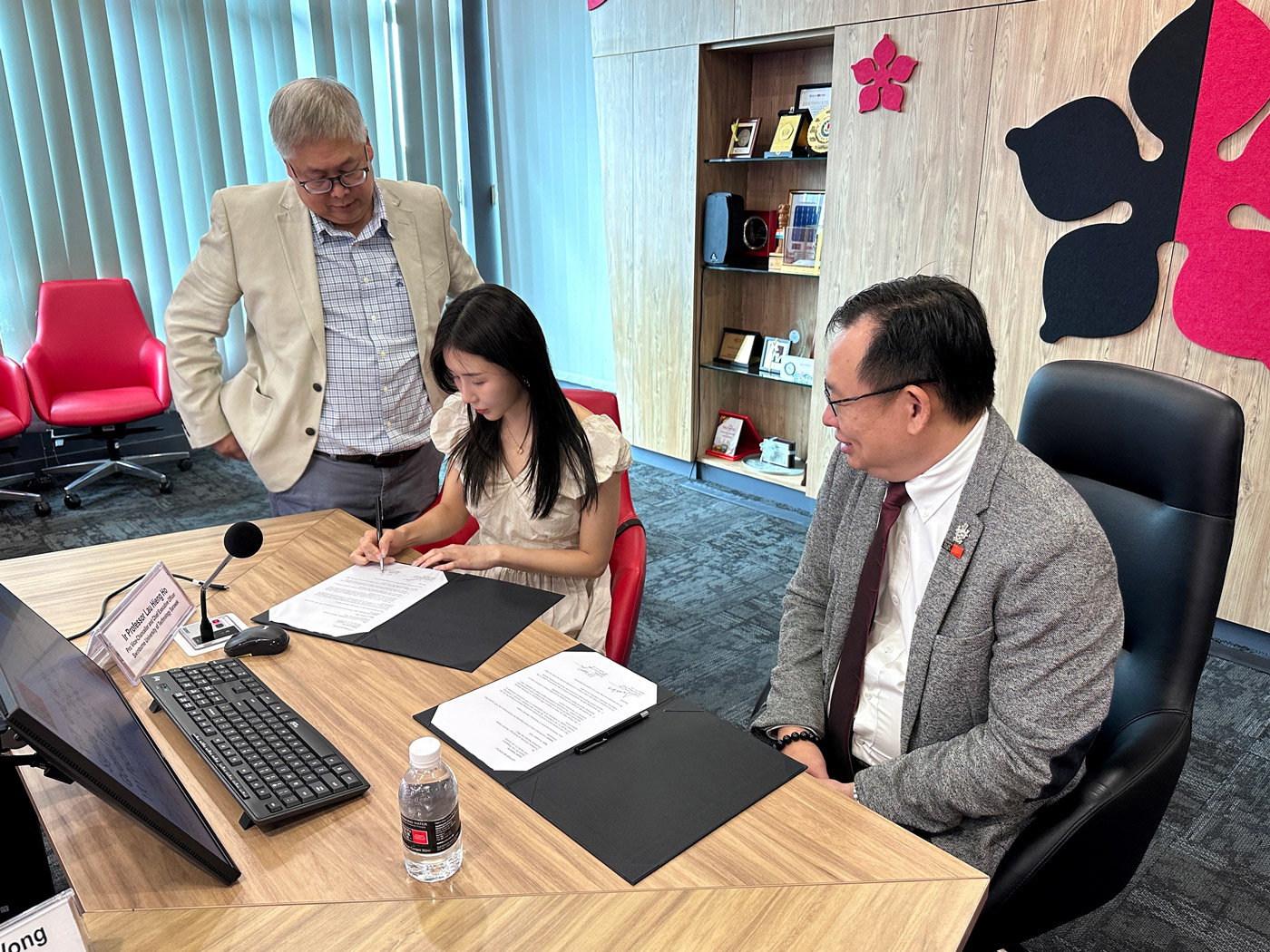
Yery Chung (centre), signing the Letter of Intent at Swinburne Sarawak, overlooked by Gerald Leong (left) and witnessed by Ir Professor Lau Hieng Ho (right).
Ir Professor Lau said that bringing together digital humanities, environmental science, and AI could help translate complex science into meaningful insight, policy, and learning. He also emphasised the university’s role, remarking, “Swinburne Sarawak is committed to providing rigorous supervision, research infrastructure, and global networks to develop the next generation of research leaders.”
Leong said, “What we are trying to do is build proper AI capacity in ASEAN and Sarawak through an Australian university that is based in the region, working on digital humanities research in Korea and planetary boundaries research in Borneo.”
For more information on Swinburne Sarawak, visit its website, Facebook page (@swinburnesarawak), Instagram page (@swinburnesarawak), LinkedIn page (Swinburne University of Technology Sarawak Campus), X page (@Swinburne_Swk), TikTok page (@swinburnesarawak), YouTube channel (Swinburne Sarawak), or Xiaohongshu page (@SwinburneSwk).