

Early childhood education plays a critical role in shaping how children learn, grow, and engage with the world. At Swinburne Sarawak, the Diploma of Early Childhood Education prepares you for this career through industry-aligned learning, hands-on experience, and close alignment with Malaysia’s evolving preschool framework.
A Curriculum Aligned With Malaysia’s Early Childhood Education Reform
When Grace Wong, a practising kindergarten principal and KP2026 trainer, describes Malaysia’s new preschool curriculum as “a shift of mindset rather than a change of syllabus,” she’s talking about the kind of transformation that Swinburne University of Technology Sarawak Campus has been preparing students for all along.
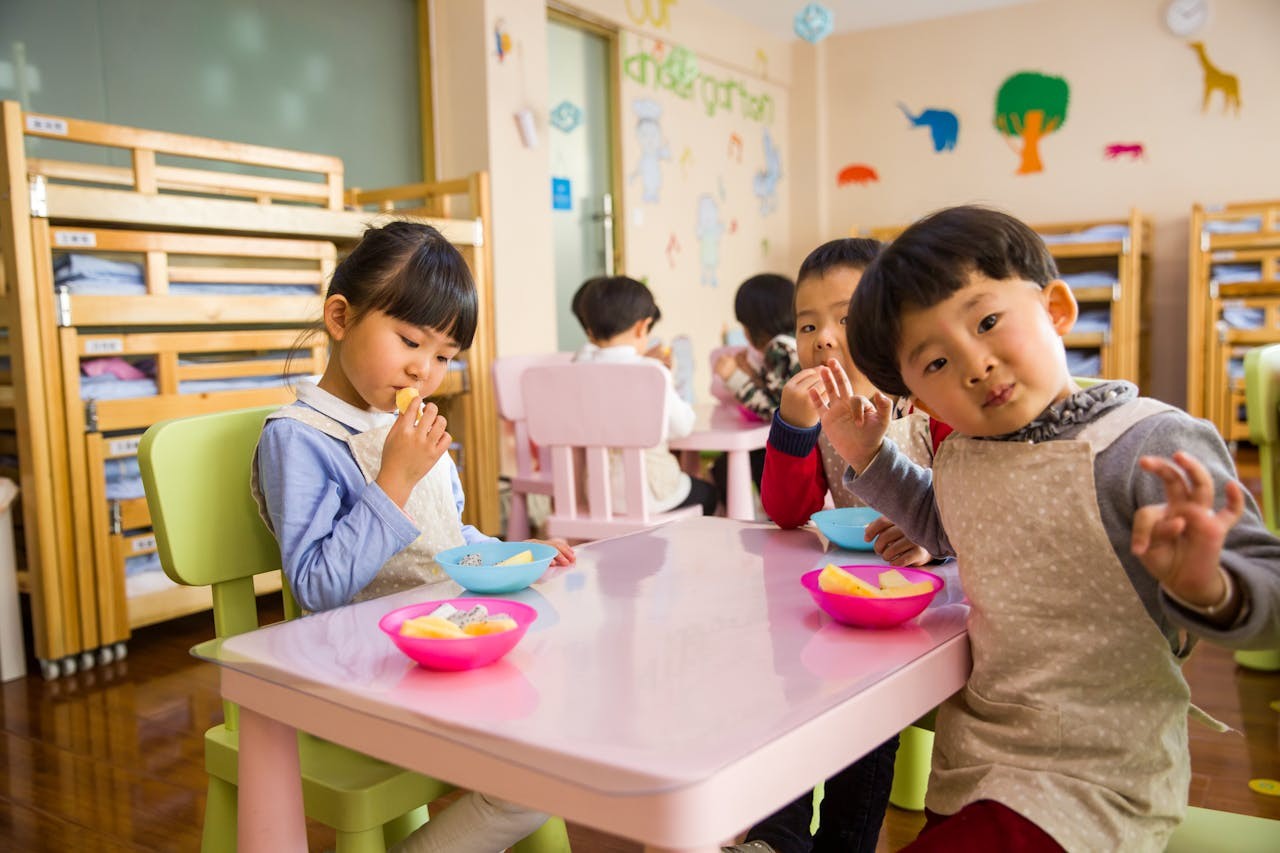
The rollout of Kurikulum Prasekolah 2026 (KP2026) – Malaysia’s groundbreaking competency-based early childhood education curriculum – isn’t just changing how preschools operate. It’s validating what Swinburne Sarawak’s own Diploma of Early Childhood Education (DECE) has been championing: that great educators don’t just teach content, they nurture whole children across emotional, intellectual, spiritual, physical, and social dimensions.
Industry Partnerships Shaping Early Childhood Education Practice
Between November 2025 and January 2026, Swinburne Sarawak’s campus became the epicentre of early childhood education transformation in Sarawak. Over 500 educators from Kuching and Padawan attended the intensive KP2026 training sessions with an additional 168 educators participating in the Miri event.
And Swinburne Sarawak was not just providing a training space.
Every single early childhood education lecturer from the Australian university attended these training sessions. Why? Because at Swinburne Sarawak, staying ahead means staying connected to what’s happening in classrooms across the state.
“The training aligns closely with all core components of our Diploma of Early Childhood Education program,” explains Dr Alicia Lim, a lecturer in early childhood education at Swinburne Sarawak.
Alicia informed that key areas such as curriculum planning, assessment for learning, child development, play-based pedagogy, and inclusive classroom practices directly reflect Swinburne’s ECE program’s learning outcomes.
This isn’t coincidence – it’s by design.
Industry-Led, Academically Rigorous
What makes Swinburne’s early childhood education diploma program stand out is its deep integration with industry needs. Jason Kong, President of the Association of Kindergarten Operators (AKO) and a member of Swinburne Sarawak’s Course Advisory Committee for the program, represents the kind of industry partnership that keeps the program relevant and responsive.
“This collaboration ensures our teaching content, assessments, and learning outcomes align with national priorities,” says Ting Mee Ling, who also teaches early childhood education at the Faculty of Business, Design and Arts.
Clearly, Swinburne students are not just learning theory, they’re gaining skills that kindergartens are actively seeking.
And the numbers speak volumes: with over 690 educators seeking training on the new curriculum, the demand for knowledgeable, well-prepared early childhood professionals has never been higher. With the training, Swinburne’s DECE graduates who enter the workforce are already familiar with KP2026 principles, giving them a competitive advantage from day one.
From Classroom to Community
The beauty of Swinburne’s approach? Students don’t just learn about early childhood education – they experience it.
DECE students have priority access to professional development opportunities, including numerous project-based learning training planned in January and February 2026. They will train alongside practising preschool educators, gaining insights that textbooks alone cannot provide.
To demonstrate this hands-on expertise, a group of DECE students designed and delivered a morning of storytelling, creative activities, and educational play for over 50 children and families at Tiny Tots 2024. These were not just showcase events. They were ‘laboratories’ for applying child development theory, curriculum planning, and classroom management skills in real time.
The Bigger Picture: Global Standards, Local Context
KP2026 represents Malaysia’s early childhood education moving toward global best practices. It shifts from worksheet-based teaching to meaningful, competency-driven learning. This evolution mirrors international trends while honouring local cultural values through the Insan Sejahtera framework, nurturing well-rounded children who are emotionally intelligent, socially aware, and spiritually grounded.
Swinburne’s early childhood education curriculum has always embraced this dual perspective. Students are exposed to local and international cultures and examine teaching philosophies from multiple viewpoints. They also develop the adaptability to work across different educational settings.
The curriculum focuses on social-emotional development and forward-thinking educational principles, preparing graduates not just for today’s classrooms but for tomorrow’s challenges.
What This Means for You
If you’re considering a career in early childhood education, here’s what Swinburne’s active involvement in shaping Sarawak’s educational landscape means for you:
- Industry-ready skills: your education will not be outdated before you graduate. Swinburne’s continuous alignment with KP2026 and national standards means you’re learning what kindergartens need
- Professional networks: training alongside practising educators and engaging with industry leaders like AKO gives you connections before you even enter the workforce
- Hands-on experience: a guaranteed 6-week practicum placement, along with community events and professional development opportunities ensure you graduate with confidence and practical competence
- Career flexibility: DECE is a pathway to undergraduate education degrees, while also qualifying you for immediate employment in early childhood education settings.
Preparing Early Childhood Educators for Future Classrooms
Malaysia’s early childhood education sector is experiencing a pivotal moment. Kindergartens need educators who understand not just what to teach, but how children learn.
Ting puts it clearly: “This transformation highlights the growing professional demands on early childhood educators, whose deep understanding of child development, learning needs, and diversity deserves greater recognition and support.”
Suffices to say, at Swinburne Sarawak, you won’t just be trained for this evolving landscape, you’ll be equipped to lead it.