

Swinburne Sarawak integrates digital learning across all courses, with platforms, industry tools, and structured digital training built into every programme. Evangelynn George, a final-year Bachelor of Media and Communication student, shares how technology supports her studies at Swinburne Sarawak.
School vs University Learning
School feels quite different from university. In primary and secondary school, lessons relied on whiteboards, textbooks, and printed worksheets. Teachers collected homework physically. If you miss something, you relied on memory or asked a friend the next day. There was no central place to revisit what was taught.
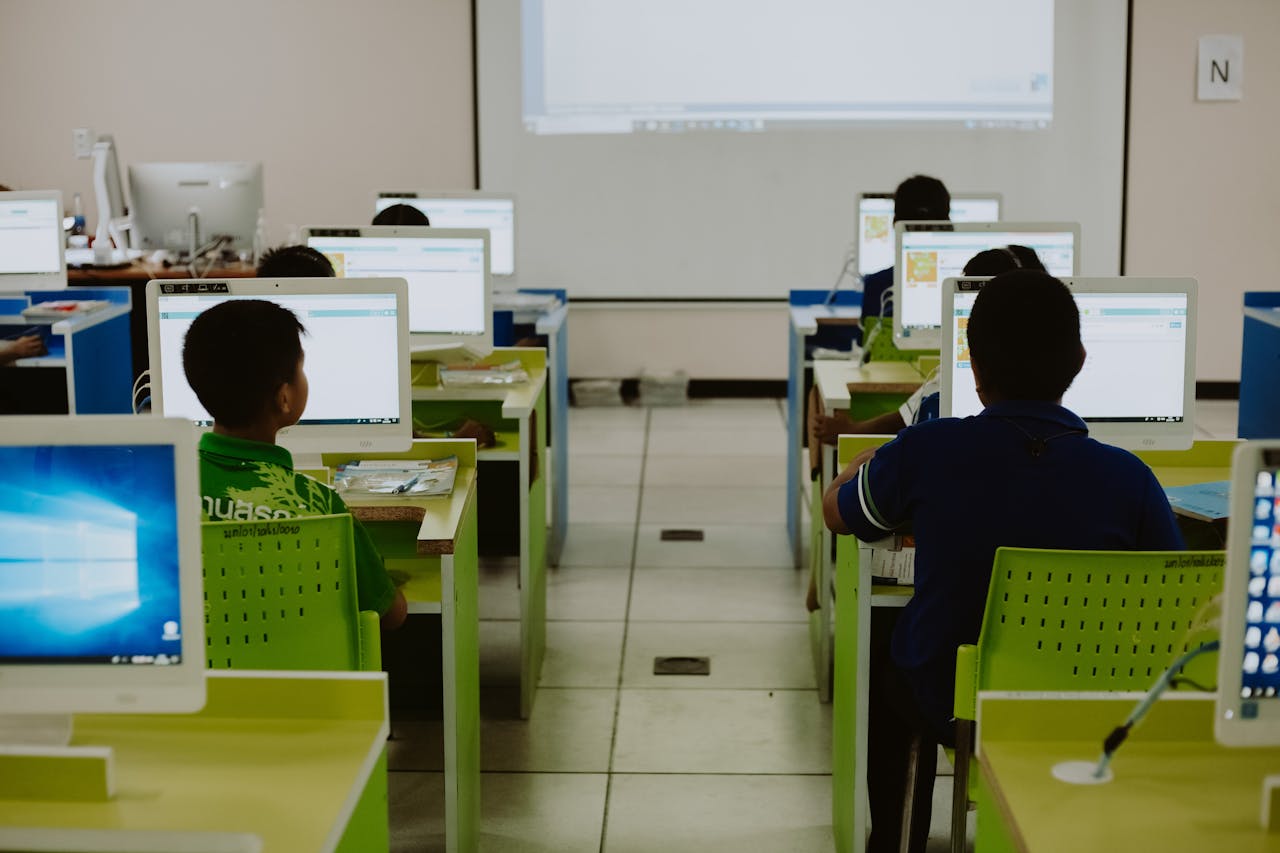
If you missed a class, catching up takes extra effort. You had to piece together notes, check with classmates, and hope you did not miss anything important. Access to learning depends on being present at the right time.
Digital Learning at the University Level
At Swinburne Sarawak, digital learning shapes how classes are conducted every day. It is built into the syllabus, not added on.
One of the biggest changes for me was using Canvas LMS. It works as the main hub for every unit. Lecture slides, recordings, announcements, assignments, grades, and lecturer contacts are all in one place. If I miss part of a lecture or do not understand a topic, I go back to the materials on Canvas. I can review course material slides; revisit recorded lectures and then pause at challenging sections of the lessons to learn at my own pace. This helps me stay on track and learn more effectively.
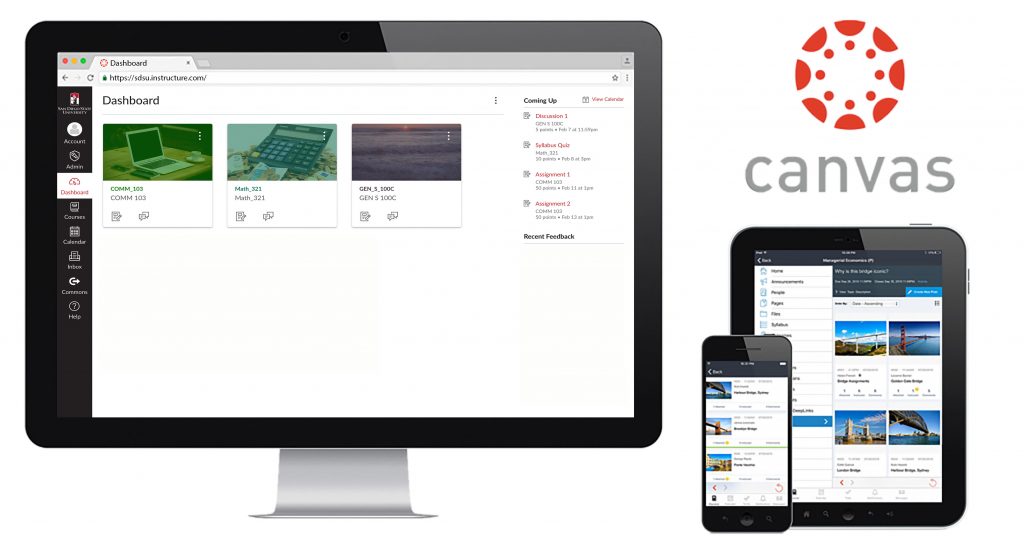
Canvas connects with other platforms used at Swinburne, including Microsoft Teams for live classes and collaboration tools that support group work and communication.
Swinburne Sarawak also embeds digital capability through its Digital Professional Suite. This programme builds practical skills in areas like digital collaboration, data literacy, and problem solving. These modules complement academic studies and prepare students for digital workplaces.
Assignments are mostly submitted online. The system organizes each submission, records the time, and keeps everything easy to track.
This structure makes a difference. I know where my work is, I see deadlines clearly, and I avoid losing files or missing requirements. It also reflects how work is managed in professional settings, where tasks, timelines, and submissions are handled digitally.
Hybrid Learning Experience
I experienced hybrid learning in my first semester. My class had over 100 students, and sometimes lectures moved online through Microsoft Teams. At first, it felt unfamiliar. Over time, I saw how this setup keeps learning consistent without disruption. Whether I attend in person or online, the lessons continue.
This reflects how many organisations operate today, where meetings, collaboration, and communication often happen across both physical and online spaces.
Hybrid learning also builds digital communication skills. You learn to follow discussions online, respond in real time, and stay engaged even when you are not physically in the room. At the same time, remote learning has its challenges. Distractions and noise can affect focus, especially when you are studying from home. Outside the physical classroom, it is easy to lost track of time or to be distracted by something else.
So it takes discipline to stay focused, to follow lessons closely and to keep up with the pace. Which is why platforms like Canvas and Microsoft Teams help you stay on track.
Benefits and Realities of Digital Learning
Digital learning also makes studying more flexible and structured. I submit assignments online and communicate with lecturers more easily. Of course, these tools require responsible use.
Sending emails late at night and expecting a reply by morning is not effective communication. Waiting until the last few days before a deadline to ask questions creates unnecessary stress. Digital tools support your learning, but your habits shape your results. Managing your time, planning ahead, and communication clearly matter more in a digital environment.
At Swinburne Sarawak, digital learning connects across platforms. Canvas works alongside tools used for communication, collaboration, and project work. These systems support how lessons are delivered, how assessments are managed, and how students engage with lecturers and peers.
Across different programmes, students work with cloud-based tools, shared platforms, and digital submission systems. These mirror how projects are managed in professional environments, with clear workflows, and collaboration across teams.
As part of the Adobe Creative Campus, Swinburne students gain access to Adobe tools such as Photoshop, Illustrator, and Premiere Pro. These are used in assignments, presentations, and projects across different courses.

This means students graduate with experience using tools widely used in industry.
This environment does not only support learning. It trains you to work in a digital setting, manage information, and collaborate with others.
The Future of Hybrid Learning
Hybrid learning will continue to shape university education. Your success depends on how well you adapt to different learning formats. As a visual learner, I still prefer face-to-face classes. Being in a classroom helps me focus, listen actively, and interact with others. At the same time, hybrid learning gives me flexibility when I need it.
Both formats work together. One gives structure and interaction, the other gives access and control.
Digital learning works when you use it well. It improves access to materials, keeps your work organized, and lets you learn at your own pace. It also supports communication beyond the classroom. More importantly, it builds skills you will use in your career. You learn to manage digital tools, organize information, collaborate online, and present your ideas clearly.
This approach ensures Swinburne students are focused on industry-linked learning, where digital tools and platforms are integrated into how courses are delivered and assessed.
Digital learning does not replace face-to-face learning. It strengthens it by giving you more control, better access, and a more connected way to learn.
This blog was created in conjunction with the International Day for Digital Learning by UNESCO. It reflects how digital tools shape the way students learn today, improve access to education, and build skills needed for the modern workplace, while encouraging educators and institutions to share and improve how digital learning is delivered.