

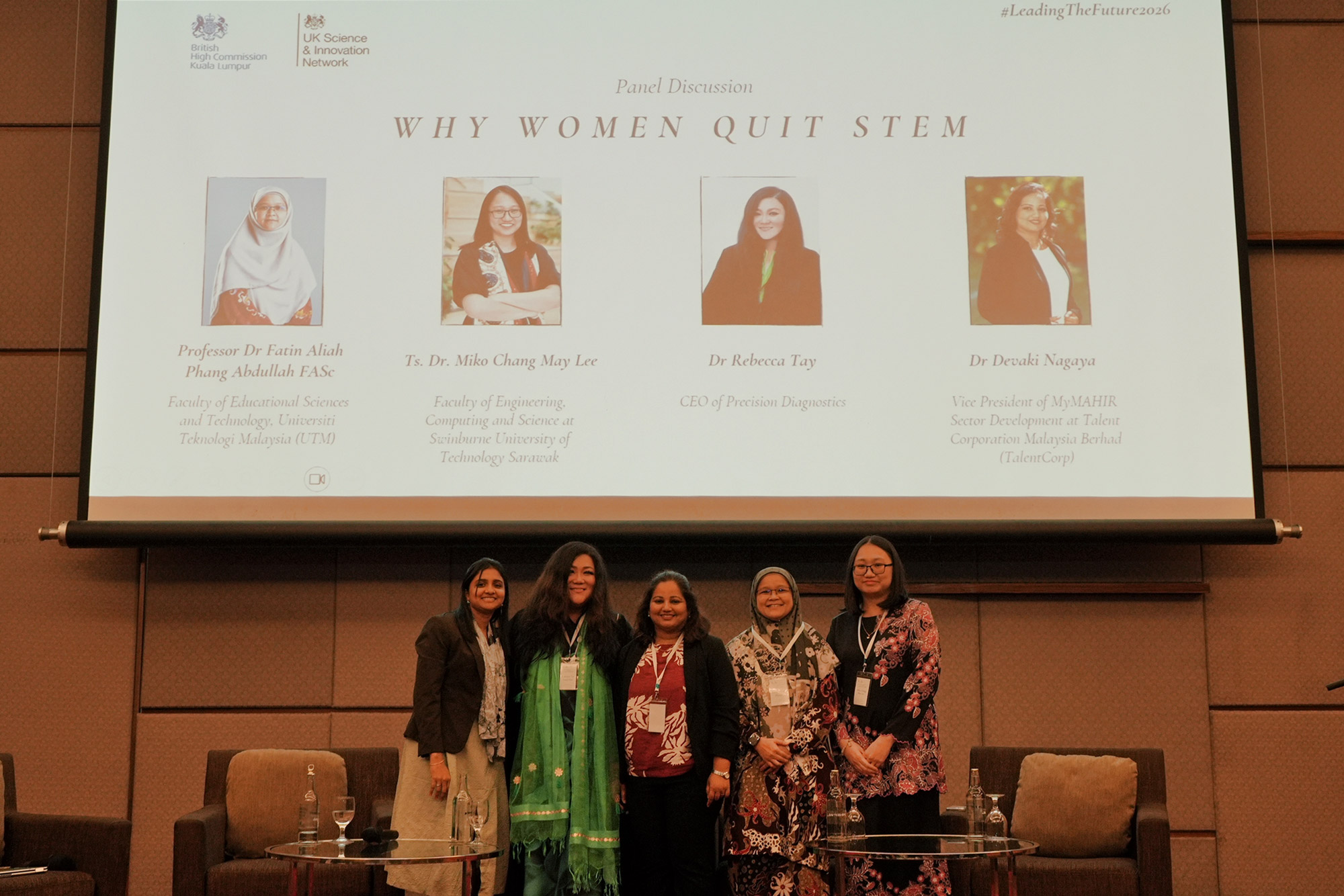
KUCHING – Swinburne University of Technology Sarawak Campus continues to advance conversations on inclusive Science, Technology, Engineering, and Mathematics (STEM) ecosystems, with its academic leader Ts Associate Professor Dr Miko Chang May Lee contributing key insights at the recent Women & Girls in Science 2026 Dinner Forum organised by the British High Commission Kuala Lumpur.
Held at DoubleTree by Hilton Kuala Lumpur on 30 March 2026, the Women & Girls in Science 2026 Dinner Forum brought together leaders from academia, industry, and government to address a critical challenge in STEM: why women leave and how to better support them to stay and thrive.
The event was graced by His Excellency Ajay Sharma, British High Commissioner to Malaysia, reflecting the strong UK-Malaysia partnership in fostering inclusive and sustainable STEM development.
Welcoming remarks by YBhg Dato’ Ts Dr Nagulendran Kangayatkarasu, Secretary General of the Ministry of Science, Technology, and Innovation (MOSTI), highlighted Malaysia’s progress in strengthening STEM participation, while emphasising the need for coordinated efforts to ensure long-term retention and advancement of women in the field.
Dr Chang, Head of the School of Information and Communication Technologies at Swinburne Sarawak, was one of four distinguished panellists in the evening’s centrepiece discussion titled “Why Women Quit STEM”, which focused on translating insights into actionable strategies for stakeholders across education, policy, and industry.
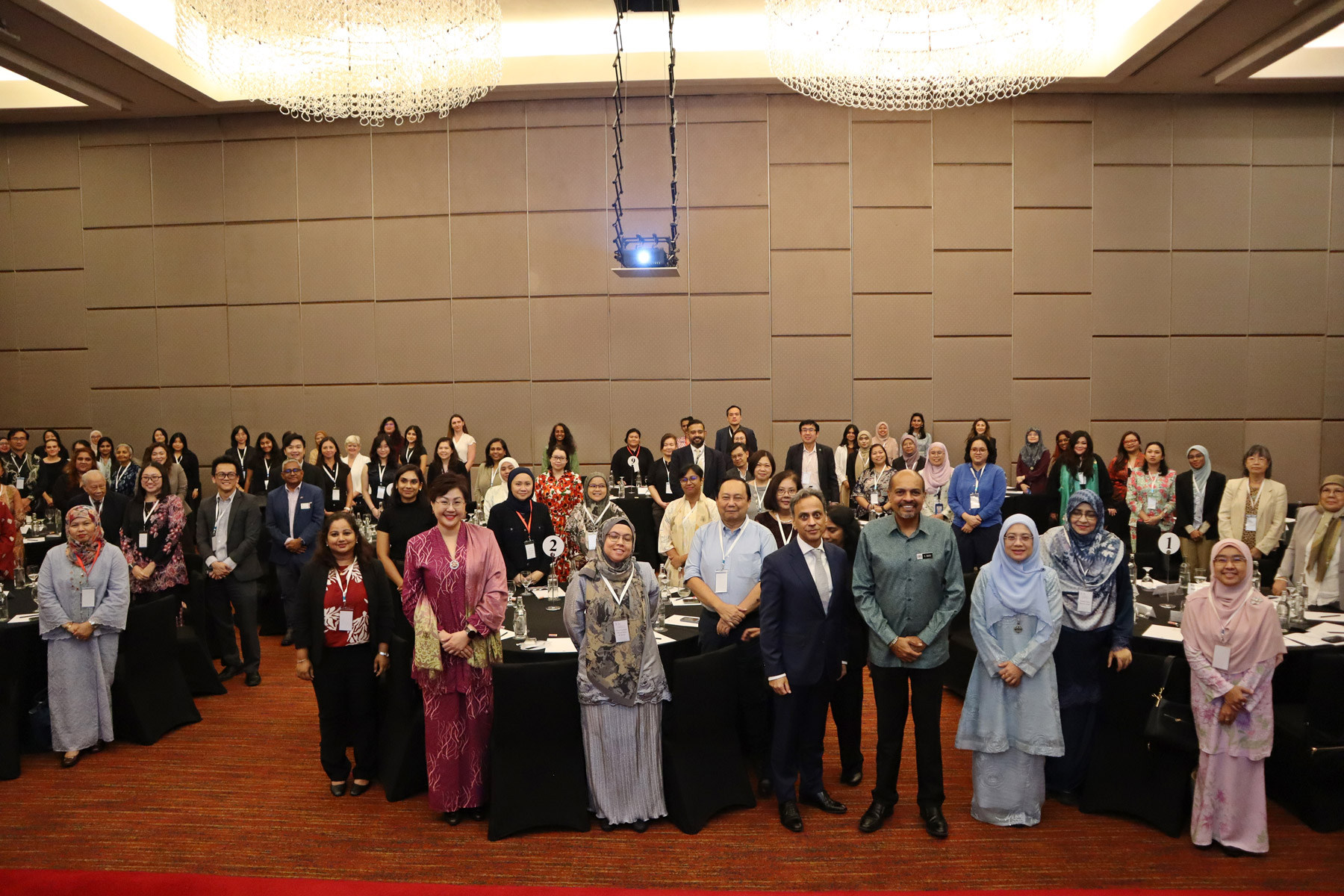
A group photo taken at the Women & Girls in Science 2026 Dinner Forum.
As an academic leader, she shared valuable insights on career sustainability in research institutions. Reflecting on her journey as a Sarawakian, she spoke about her local education in Kuching, followed by pursuing her bachelor’s degree and PhD at the National University of Singapore and gaining professional experience across multiple countries including Singapore, Australia, the United Kingdom, and Switzerland before returning home.
Drawing from these experiences, she highlighted three key priorities: improving retention beyond entry-level roles, supporting life transitions including motherhood, and ensuring equitable pathways to leadership.
Dr Chang also underscored the unique opportunity in East Malaysia to reimagine more flexible and inclusive academic models, leveraging digital technologies and evolving work structures such as the Integrated Work Arrangement at Swinburne Sarawak.
“Giving up is easy, but choosing to shape what comes next takes courage. For many women in STEM, deeply rooted biases and caregiving responsibilities still limit progress into leadership,” she said.
“As a woman in STEM and a mother of two, I believe we can do better. I hope my daughter will grow up in a world where women can be both mothers and CEOs. The best way to predict the future is to create it, and building a more inclusive STEM future is a responsibility we all share,” she remarked.
Dr Chang was joined by fellow panellists Dr Rebecca Tay, Founder and CEO of Precision Diagnostics; Dr Devaki Nagaya, Vice President of MyMahir Sector Development at Talent Corporation Malaysia Berhad (TalentCorp); and Professor Dr Fatin Aliah Phang Abdullah from Universiti Teknologi Malaysia, bringing together diverse perspectives from across the STEM sector.
Dr Fatin shared data and insights from her research in STEM education, particularly on how early learning experiences shape girls’ engagement with science. She highlighted the importance of strengthening foundational interest and confidence in STEM from a young age.
Representing workforce and policy perspectives, Dr Devaki discussed trends in women’s participation in the labour market, identifying key points where women are most likely to exit STEM careers and highlighting interventions such as flexible work arrangements and return-to-work programs.
Meanwhile, Dr Tay offered an industry and entrepreneurship lens, sharing her experience in building a science-based company. She emphasised the importance of creating supportive ecosystems that enable women to transition into leadership roles while sustaining scientific careers.
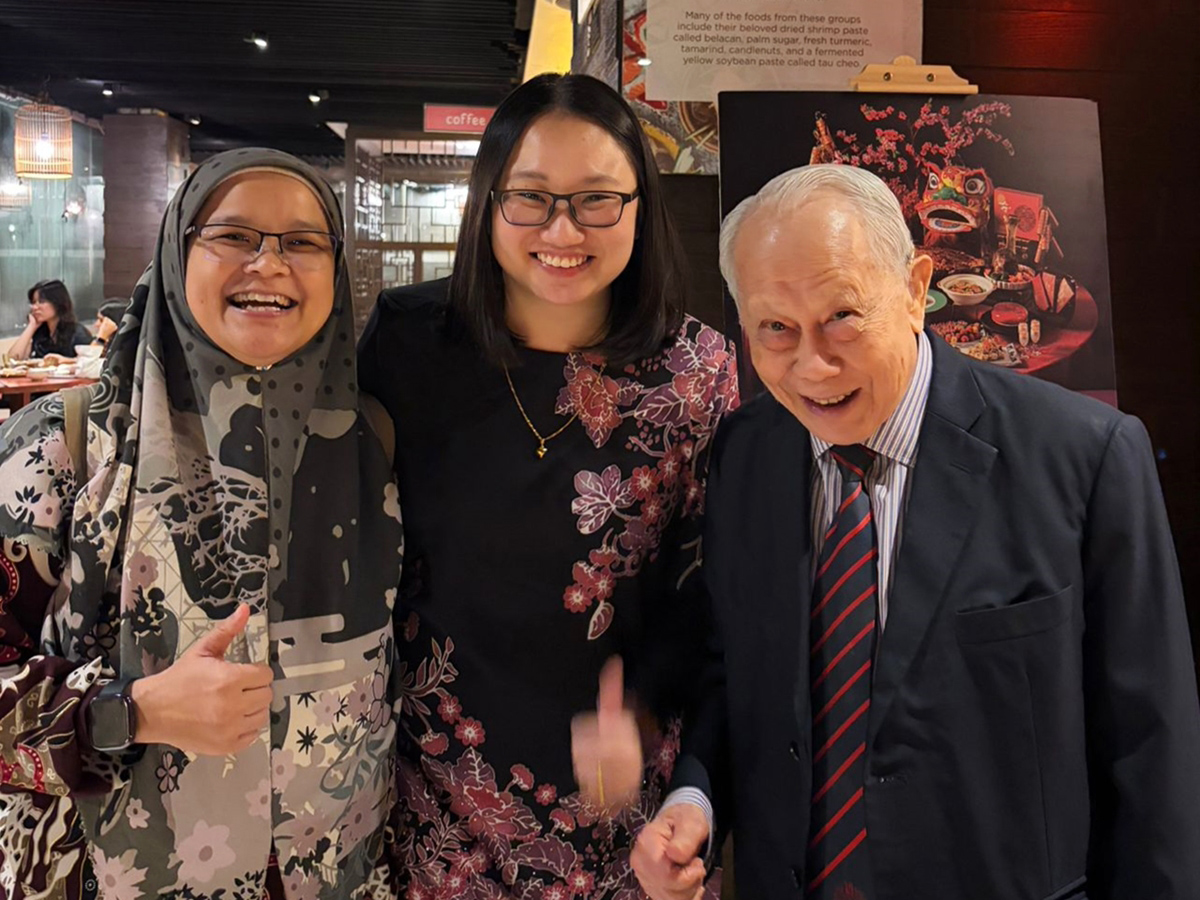
Ts Associate Professor Dr Miko Chang May Lee (centre) along with Professor Dr Fatin Aliah Phang Abdullah (left) and Academician Tan Sri Emeritus Professor Datuk Dr Augustine Ong Soon Hock.
The discussion reinforced the need for institutional accountability, stronger support systems, and active roles for both women and men in driving change. While Malaysia has established strong policy frameworks, the panellists agreed that meaningful progress depends on implementation, mindset shift, and cultural transformation.
The forum concluded with a shared commitment to creating environments where women in STEM can grow, lead, and thrive across all stages of their careers and a clear aspiration to see more women in senior leadership roles across all sectors.
For more information on Swinburne Sarawak, visit its website. Facebook page (@swinburnesarawak), Instagram page (@swinburnesarawak), LinkedIn page (Swinburne University of Technology Sarawak Campus), X page (@Swinburne_Swk), TikTok page (@swinburnesarawak), YouTube channel (Swinburne Sarawak), or Xiaohongshu page (@SwinburneSwk).