

Sarawak’s forests, peatlands, and green economy urgently need qualified environmental scientists, and an environmental science degree, fully-funded under FTES, puts you at the centre of that work.
If you are concerned about what happens to Sarawak‘s land, water, and forests, and want a career that puts you in the centre of solving those problems, an environmental science degree in Swinburne Sarawak is one of the most purposeful choices you can make right now.
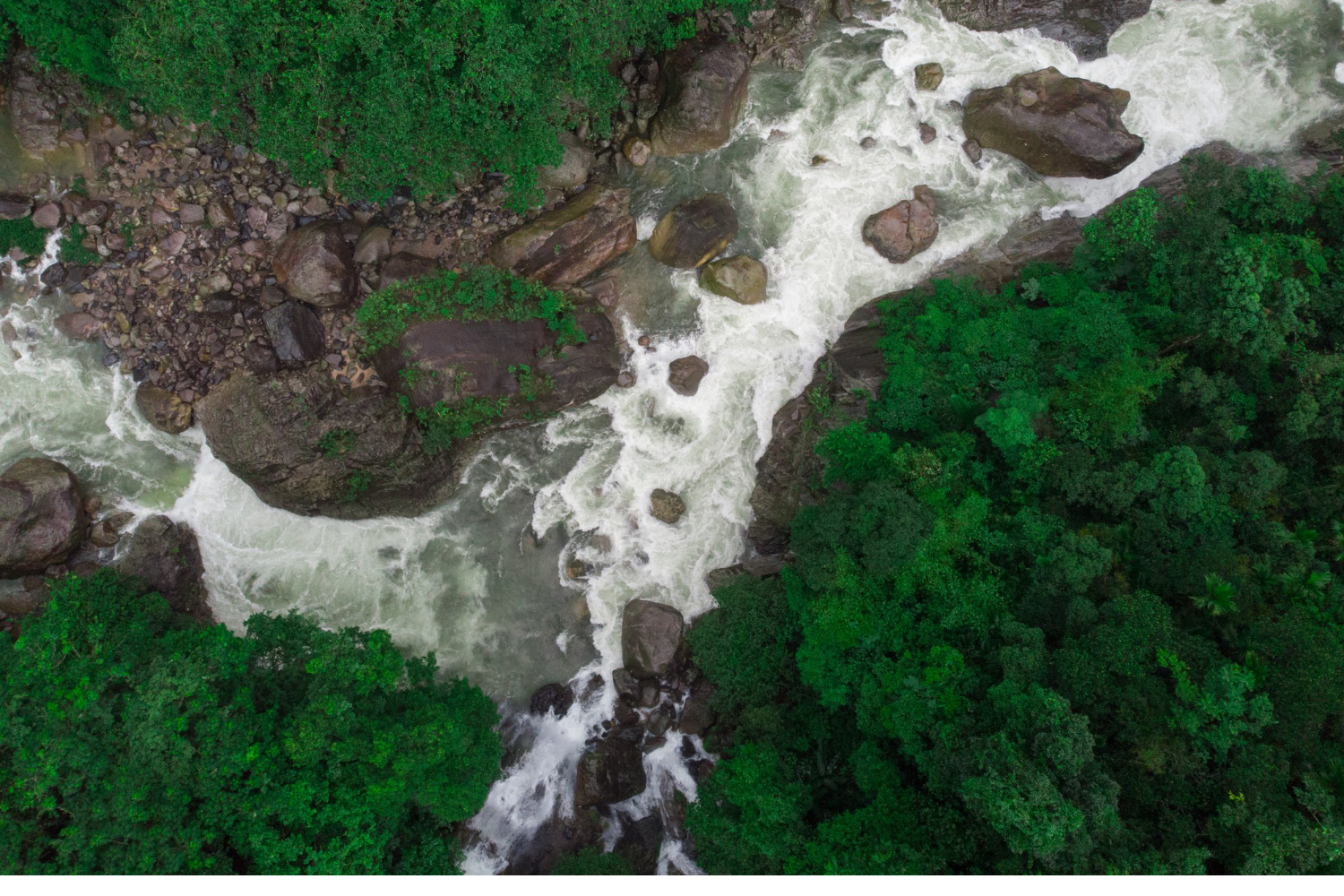
What is Actually Happening to Sarawak’s Environment
The pressures on Sarawak’s natural systems are real and well-documented.
With infrastructure expansion across Sarawak – including roads traversing peatlands and large-scale hydroelectric projects – this expansion carries significant implications for forest integrity, biodiversity and carbon storage.
Similarly, Sarawak’s rivers face water quality challenges from agricultural runoff and land clearing. Sarawak’s coastal ecosystems are under continuous pressure from development.
Importantly, these are not abstract concerns. Environmental sustainability is one of the three core pillars of Sarawak’s Post Covid-19 Development Strategy 2030 (PCDS 2030). PCDS 2030 commits to maintaining over 50 percent of forest and tree cover and establishing integrated watershed management policies to conserve and protect water resources.
Sarawak holds a vision to build an economy that is renewable, resource-based, environmentally sustainable, and technology-driven. Consequently, that vision requires people who are trained to deliver it. Right now, Sarawak does not have enough of them.
Environmental Science Degree at Swinburne Sarawak: What the Programme Covers
The Bachelor of Science (Environmental Science) degree at Swinburne Sarawak is a three-year programme built around the science of understanding, protecting and restoring ecosystems.
It covers environmental biology, microbiology, water science, mathematics, and chemistry. Furthermore, research and communication are also a strong component of the degree throughout.
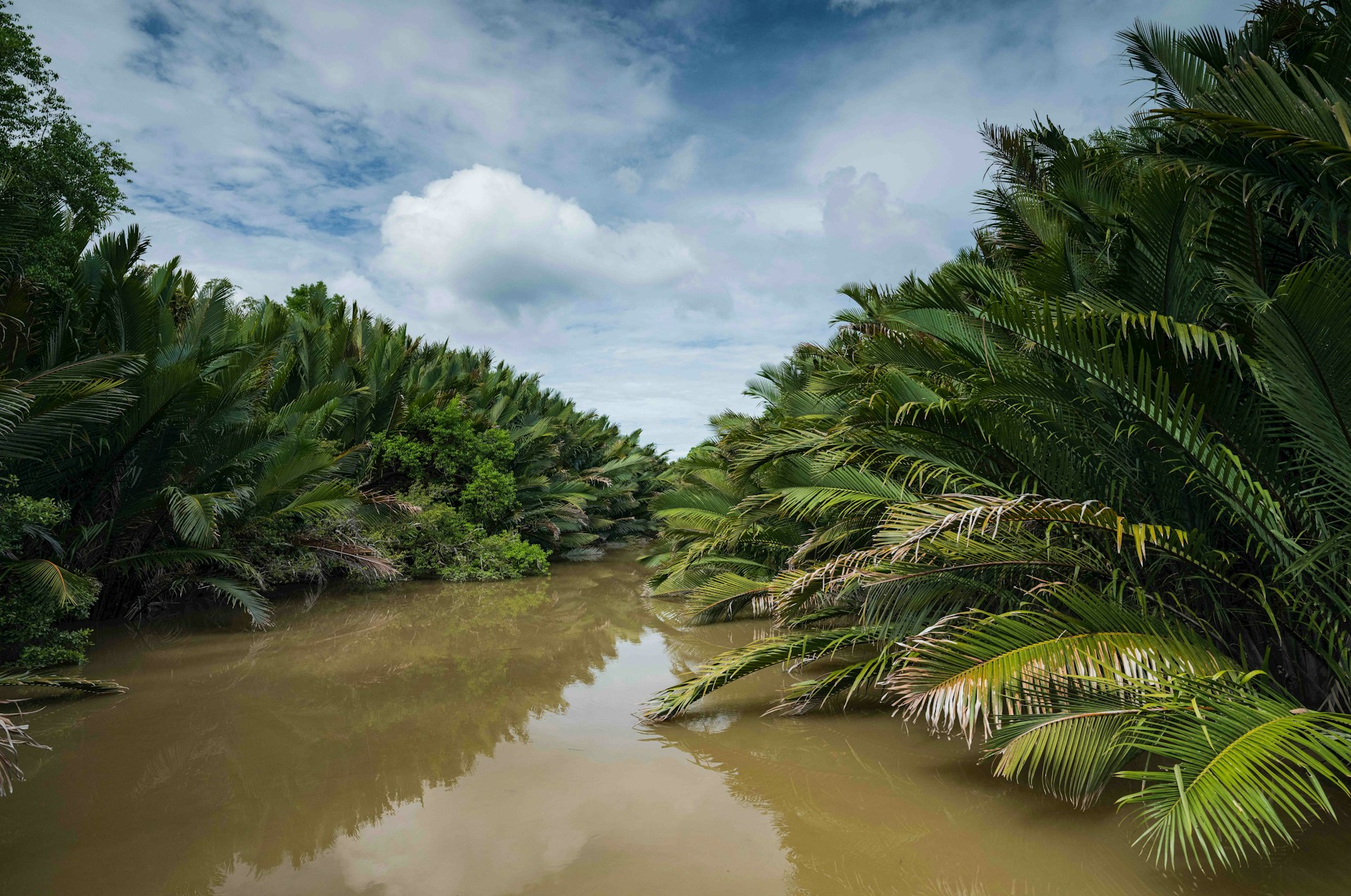
By the time they graduate, students are equipped to analyse diverse ecosystems and develop plans to protect and transform them.
It is worth noting that this is a degree that is not confined to theory. In practice, this Swinburne degree develops students’ scientific thinking and analytical skills so they are able to interpret real environmental data, evaluate findings, and make recommendations that inform real decisions.
Additional, the qualification is identical to those awarded to students at its main campus. That matters especially for graduates who want to work across borders, seek postgraduate study internationally, or work in multinational companies operating in energy, resources, and infrastructure sectors.
What You Study – Core Subjects
The programme spans core subjects that together build a complete scientific toolkit for environmental work in Sarawak and beyond:
- environmental science
- microbiology
- water science
- mathematics
- chemistry
Throughout all three years, research methodology and professional communication run as continuous threads. This emphasis ensures graduates become environmental scientists who can present findings clearly and influence decisions that matter.
Where Environmental Science Graduates Work
This is the question most students and parents ask first about an environmental science degree in Sarawak. And the answer is more varied than most people expect.
For instance, graduates can pursue careers as environmental scientists or officers, water quality scientists, nature conservation officers, field coordinators, sustainability managers, and environmental data analysts. Employers include federal, state, and local government agencies, private environmental and engineering companies, environmental consulting firms, and research institutions.
Many organisations across Sarawak’s energy, utilities, and infrastructure sectors actively hire for roles in sustainability and HSE functions – positions that environmental science graduates are well-placed to fill. Several of these organisations also offer internship programmes that provide a direct pathway into full-time employment.
The demand for these graduates is current and experts expect it to increase in the future.
Graduate Pathways at a Glance
| Role | Typical Employer |
|---|---|
| Environmental Scientist / Officer | Government agencies, consulting firms |
| Water Quality Scientist | Water authorities, engineering companies |
| Nature Conservation Officer | State parks, wildlife departments |
| Sustainability Manager | Energy companies, GLCs, large corporates |
| Environmental Data Analyst | Research institutes, consultancies |
| HSE Graduate Analyst | Oil and Gas, energy sector |
| Field Coordinator | Environmental NGOs, research programmes |
Your Degree Could Be Funded by the Sarawak Government
This is the part worth paying close attention to.
Environmental science is among the fields of study that the Sarawak government approves under the Free Tertiary Education Scheme (FTES). Specifically, FTES targets disciplines aligned with Sarawak’s green technology efforts and socioeconomic development goals.
For eligible Sarawakian students, FTES covers full tuition fees, terms apply. Therefore, if you qualify, the financial barriers to an environmental science degree at Swinburne Sarawak are effectively removed. Eligibility is based on your IC classification, household income, and programme of choice. The best way to confirm where you stand is to speak directly with our course counsellors.
The Practical Case for Studying Environmental Science at Swinburne Right Now
Sarawak is at a specific moment in its development. The state is building infrastructure, expanding its energy sector, attracting foreign investment, and making commitments to environmental sustainability as a non-negotiable part of that growth.
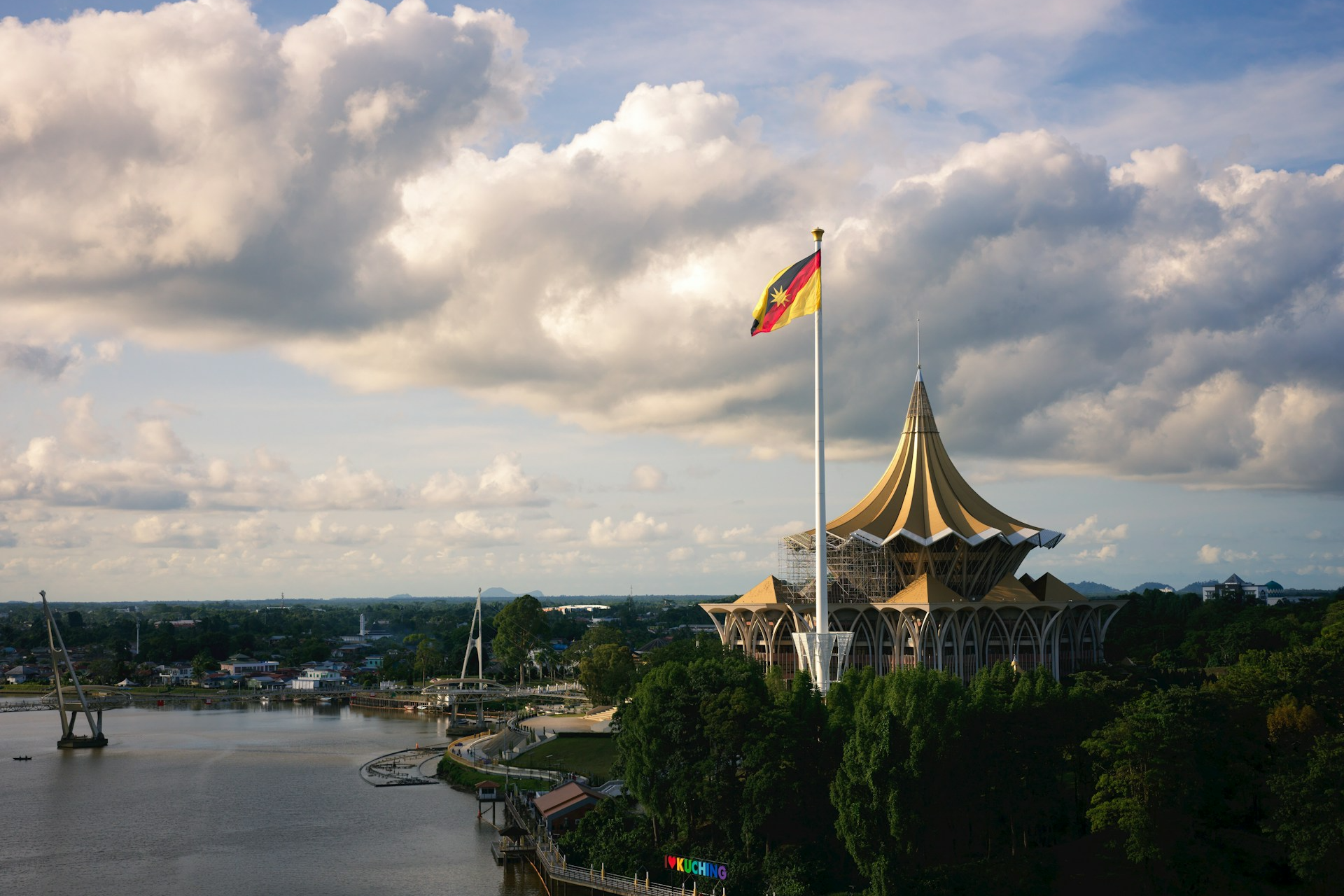
As a result, Sarawak’s position as a regional green energy hub is creating demand for a more competitive and resilient labour market in the renewable energy and sustainability sectors.
Sarawak’s forests, rivers, and peatlands will not manage themselves. The science that protects them needs people behind it – those who understand the ecosystems, know how to measure change, and are trained to recommend action. Ultimately, that is what an environmental science degree in Sarawak produces. And right now, Sarawak needs more of them.
Take the Next Step
- Swinburne Sarawak’s Bachelor of Science (Environmental Science)
- Request for more information
- Call us!