

Deepfake fraud is surging across Malaysia – including right here in Kuching. And a computer science degree in Sarawak is one of the clearest pathway into the field trained to fight it.
In 2025, a Kuching-based content creator discovered that a video she had recorded was taken. Someone had taken her original footage and used artificial intelligence (AI) to replace the content – turning it into a fake advertisement for an illegal gambling website.
As a result, the fabricated video spread across social media. It was the same face, the same likeness.
What happened to this content creator is not isolated. And this is not just a celebrity problem.
AI deepfake fraud in Malaysia is one of the fastest-growing digital threats in the country. Importantly, a computer science degree in Sarawak is one of the most direct pathways into the field that fights back.
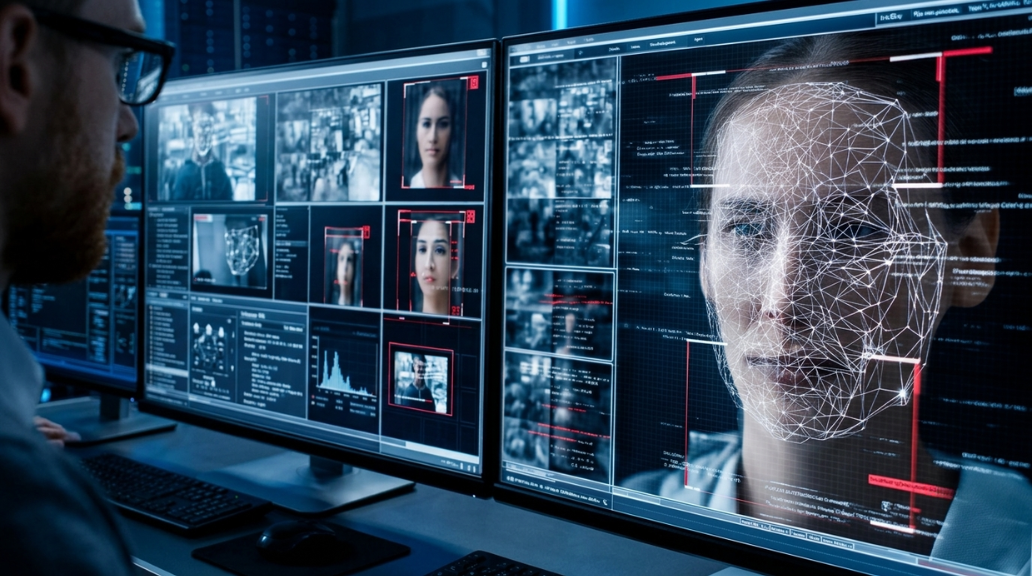
What a Deepfake Actually Is
A deepfake is an AI-generated piece of media – an audio clip, a video, or an image – manipulated to show something that never happened.
In the early days, these were clumsy and easy to spot. That is no longer the case.
Studies show that eighty-five percent of victims lost money after deepfake videos featuring public figures convinced them to invest.
Today, the technology that once required specialist skills and expensive equipment is now accessible to anyone willing to pay a subscription fee. That accessibility is what makes the problem so difficult to contain.
Malaysia’s Deepfake Crisis: What the Numbers Show
Earlier this year, a report on global fraud confirmed that Malaysia saw a 408% year-on-year jump in deepfake fraud growth.
In fact, this ranked it among the top two fastest-growing deepfake hotspots in the Asia-Pacific region.
Furthermore, deepfake-related complaints surged eightfold – from 917 cases in 2024 to 7,967 in the first half of 2026 alone. Malaysians also lost RM2.11 billion to AI-enabled scams in that same period.
Ultimately, deepfakes work because they exploit trust. It can be a voice that sounds like a family member, or a video that shows a credible endorsement. By the time someone realises the content was fabricated, they have already lost the money.
In response to this, Malaysia’s Ministry of Digital has begun developing an AI-based image and video verification tool in collaboration with a local university. The tool specifically supports cybercrime investigations involving identity fraud and digital disinformation.
Someone has to build these tools. These systems need people trained to detect fabricated media. Someone has to understand how the technology works in order to counter it.
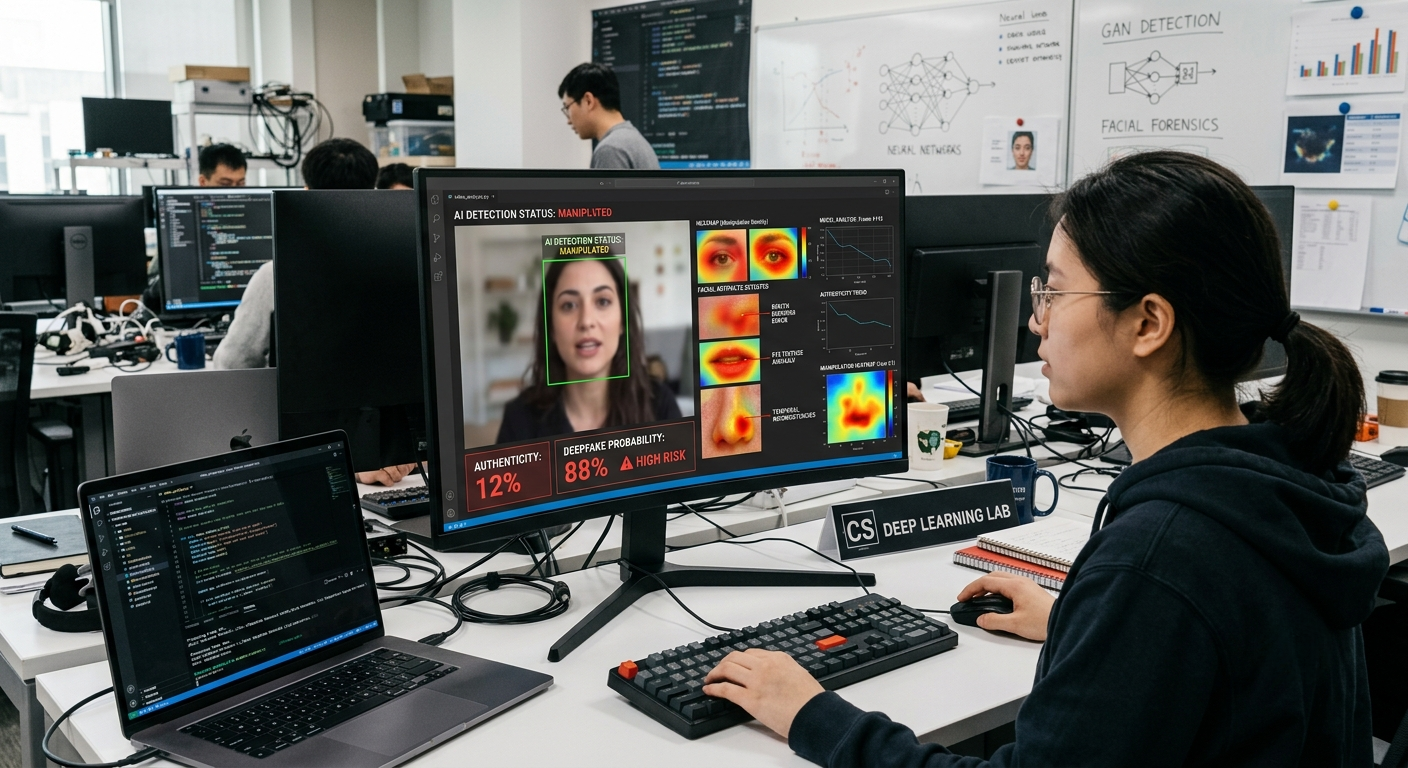
That someone is a computer science graduate with the right specialisation.
What a Computer Science Degree in Sarawak Actually Prepares You For
The computer science degree at Swinburne Sarawak offers specialisations in Artificial Intelligence, Cybersecurity, Internet of Things, Data Science, and Software Development.
In addition, the programmes carry professional accreditation from the Australian Computer Society (ACS) and run in partnership with Cisco Academy and AWS Academy.
For students specialising in Cybersecurity, the programme partners with industry certification providers – including Tecforte, a cybersecurity management firm. This gives students direct exposure to professional-grade cybersecurity credentials before they graduate.
An AI specialisation sits at the heart of the deepfake challenge. Understanding how machine learning models are built – and how they generate content – provides the knowledge base needed to detect fabricated media.
By contrast, the Cybersecurity specialisation covers the threat landscape from a different angle. It teaches you how attackers compromise systems and how investigators gather evidence. It also covers how professionals investigate and prosecute attacks.
Together, both pathways lead directly into roles that Malaysia’s digital economy needs but has not filled fast enough.
Who Should Be Thinking About This
If you are finishing secondary school and good with logic, systems, and technology, a computer science pathway is worth serious consideration. The same applies if you are simply curious about how AI works.
The deepfake problem is not going away. However, the tools used to produce deepfakes are becoming cheaper and more accessible every year. Yet too few people know how to detect and counter them.
Clearly, Sarawak needs more of these professionals.
A computer science degree in Sarawak from Swinburne does not just prepare you for a job. In fact, an internationally recognised Australian qualification positions you to solve problems that are already affecting people around you.
Where FTES Fits Into Your Computer Science Journey
If you are a Sarawakian interested in this field, the Free Tertiary Education Scheme (FTES) may cover your computer science tuition fees. Swinburne Sarawak is one of the approved institutions.
Ultimately, the barrier to starting is lower than most people realise. The demand for graduates with this degree has never been higher.
Take the Next Step
- Explore our ICT programmes
- Request for more information
- Call us!