

Good food packaging design requires cultural research rather than AI-generated shortcuts. This is the approach that will keep Sarawak’s heritage food products and their stories relevant to new audiences.
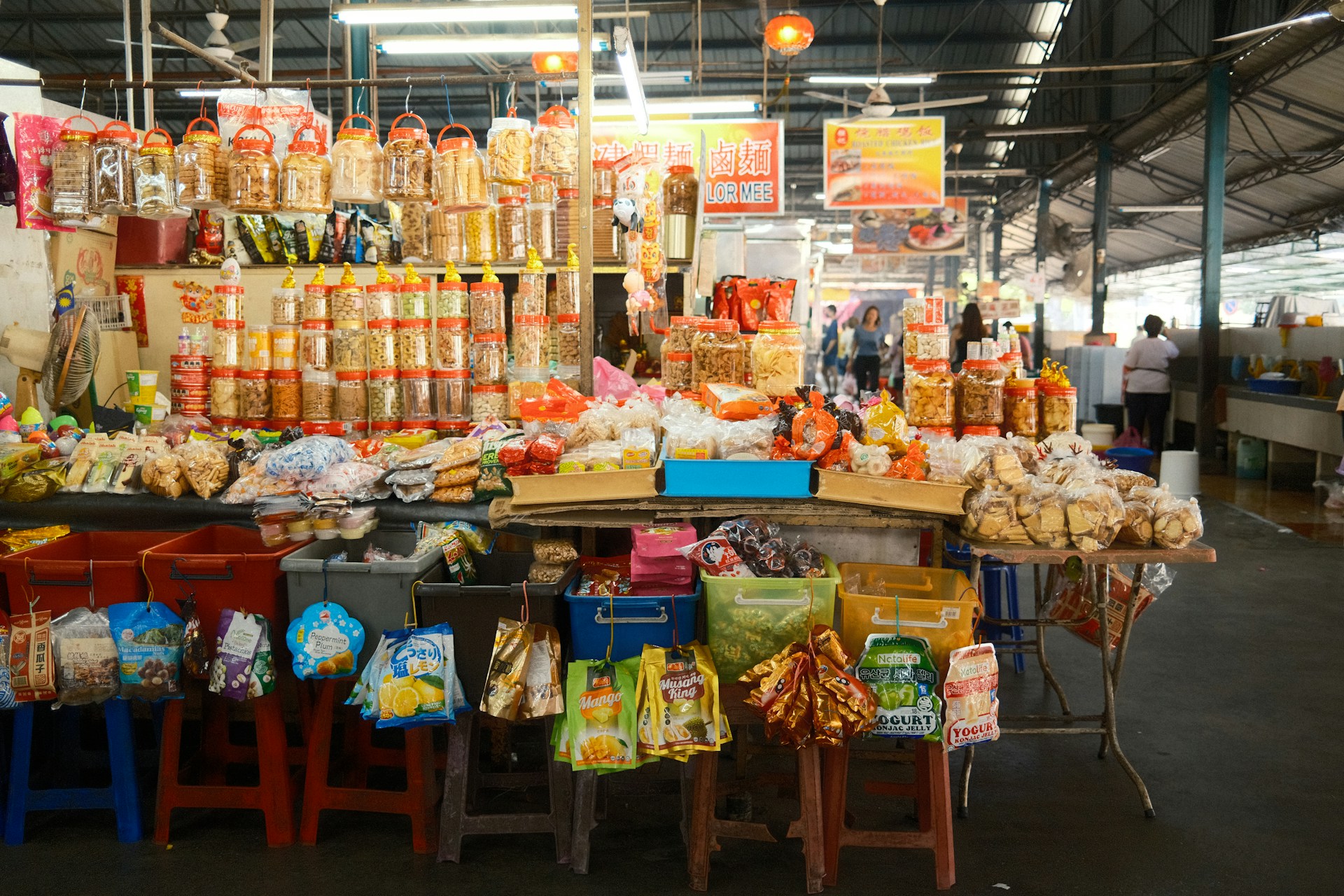
There is a wealth of knowledge, culture and creativity behind a simple-looking package of traditional food. Food packaging design can do more than just protect the contents of Sarawak heritage food products. It can narrate a story.
As a design enthusiast, I often wonder what happens when learners translate such stories into an image, or when technology generates images and ideas in mere seconds, as it does today.
Is time still being spent before designing the package to find out the story?
Food Packaging Design Beyond the Screen
Over the years, I have observed an interesting shift in the way designers approach creative work.
Older generations sometimes had to work harder for creative resources. Before the emergence of digital libraries, online image searching and Artificial Intelligence (AI) tools, designers used to seek references from books, magazines, shops, markets and their environment.
They experimented in sketching, taking photos and refining their concepts. The slower process promoted discovery and ingenuity, sometimes leading to unique results.
Learners today have access to an incredible range of digital tools. Visual instructions can be created with the help of AI, complex tasks can be automated using software, and there is always inspiration waiting around the corner. These technologies are valuable. The question remains whether learners use them effectively and creatively. Technology should accelerate innovative thinking, not replace it.
When a first convenient solution pops into a designer’s mind that comes from the tool, the result may be like many others. The challenge is the creation of curiosity and critical thinking in the usage of technology in a meaningful way.
Why Food Keeps Appearing on the Food Packaging Design Table
Food is an interesting category to brand and package as it is familiar, accessible and tightly related to culture.
Sarawakian designers have even greater opportunity with local food products. A dry food product is not just a subject for food packaging design. It may be used to describe a place, a community, a tradition and a story.
This brings up an important issue: how can the source of a product be conveyed without making culture a mere decoration?
From Cultural Symbol to Cultural Story
A traditional motif, a hornbill, a longhouse or a familiar Sarawakian colour palette can be applied easily to a package. Collecting recognisable symbols is not enough for good cultural design.
Learners need to investigate. From where is the product made? Who made it? Which factors are important? Traditionally, how is it made? What is the value of the product to the community? Visiting markets, talking to producers, making notes on ingredients, and researching the packaging now available can uncover opportunities that a quick Internet search might not.
The designer transforms from a creator of graphics into a researcher, storyteller and culture interpreter.
The local ingredients in Sarawak can be looked at as a possibility. New products can be inspired by dabai – like dabai mayonnaise or jam. Black pepper, which is so strongly linked with Sarawak, may be explored beyond food, as fragrance or perfume. Bird’s nest is also reimagined to create products like confectionery.
These options demonstrate to students the potential of designing packages for local products, which is not simply about creating an existing product. It can start by posing questions like: what else can this local story be?
The research on local packaging in Sarawak that I have observed through design also shows this. An article in the International Journal of Art and Design revealed that colour and typography can influence the perception of local products, and that one of the most effective ways of conveying the authenticity of a product and its origin is through culturally appropriate visual elements.
This helps build the concept that packaging is not just decoration – it can be part of the product identity and story.
Giving Sarawak Heritage Food Products a Future
Heritage preservation does not necessarily mean keeping everything unchanged. Sarawak heritage food products may be presented using modern branding techniques and still carry the essence of the traditional product.
Thoughtful food packaging design can present an old product in a new light and tell its story to the outside world, to younger consumers especially.
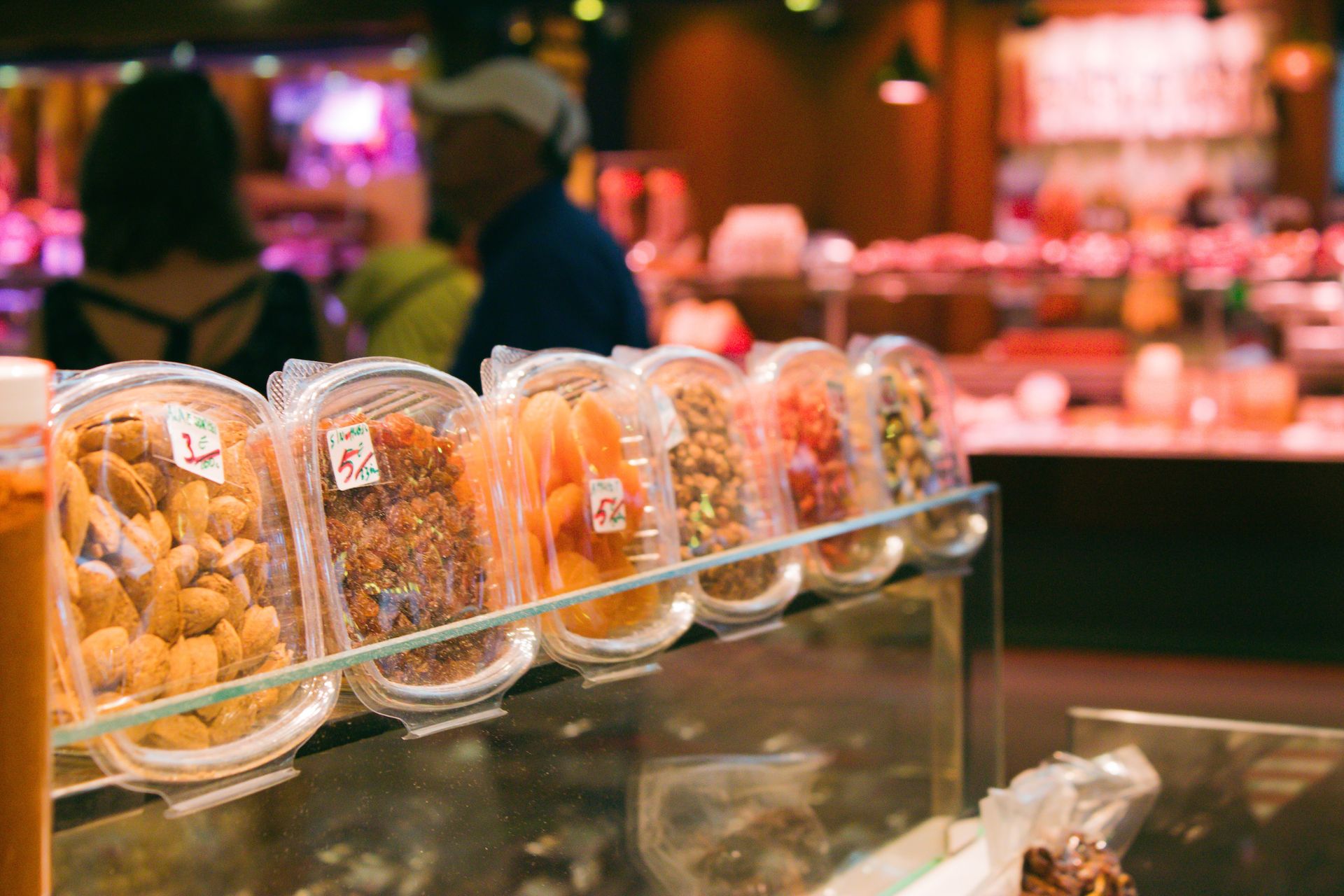
For dry food products, packaging can serve as a link between local producers and larger markets, conveying authenticity and fostering recognition. The aim is not to make Sarawak heritage food products look foreign. They should be confidently Sarawakian and relevant to the consumer at the present time.
Learning to Design for What Comes Next
It is not just about using software to produce a good product. It is about observing, asking, investigating and making decisions.
The technology of AI and others will keep developing and the tools designers have will be very different in the future. What should remain is the critical thinking ability and understanding of culture, people and context.
Technology is a great creative ally but not a replacement. No matter how technically impressive the design is, without being able to solve the biggest question, it is a failure.
Rosedelina Binti Mustapha is Head of Department and Lecturer in Graphic Design at the School of Design and Arts, Faculty of Business, Design and Arts, Swinburne Sarawak. Her research interests span branding and corporate identity systems, packaging design, advertising, design studies, and drawing and illustration, alongside education management and leadership. She is contactable at [email protected].