

From Sarawak’s Zero Reject Policy and SeDidik’s initiatives to practical role of paraeducators, we examine what meaningful participation in inclusive early childhood education require beyond enrolment.
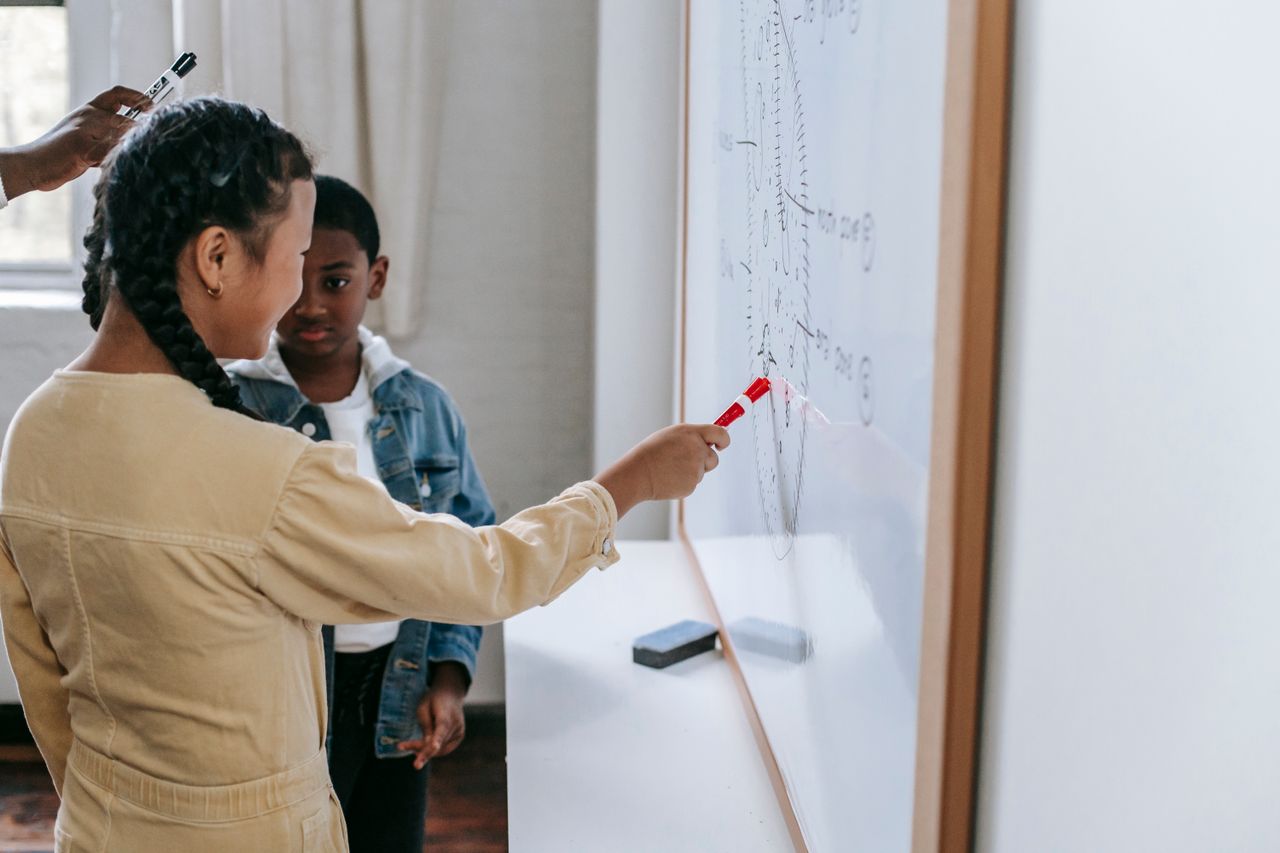
Inclusive early childhood education generally refers to children with and without disabilities learning together in the same setting. But in early childhood education, it should involve more than allowing a child to enter the classroom.
Inclusive Early Childhood Education in Sarawak: Opening the Door
Malaysia’s Zero Reject Policy established that children with special educational needs should not be denied access to education. Sarawak has extended this commitment through its Inclusive Early Childhood Care and Education approach and SeDidik’s open-door policy.
According to Sarawak Government figures released in July 2026, early childhood care and education institutions had enrolled 1,022 children with special needs. 471 SeDidik personnel had received special education training.
As these initiatives continue to expand access, attention can increasingly turn towards ensuring that children – through inclusive early childhood education – are also able to participate meaningfully in classroom life.
When Enrolment Is Not Enough
A mainstream preschool may enrol a child and still offer limited opportunities to participate.
The child may sit during circle time but be unable to understand the instructions, communicate a response, or remain involved. Another may be present during play but have difficulty initiating interactions or responding to peers. Some children may also require support during transitions, self-care routines, or periods of distress.
Why Participation Matters
Participation matters because children develop communication, social, play, independence, and early learning skills through repeated involvement in everyday activities.
When a child is unable to participate consistently, opportunities to practise these skills are reduced. The child may become dependent on adults or remain separated from peers despite sharing the same space.
Some children may benefit from visual schedules, shorter instructions, additional time to respond, or access to a quieter area. Others may require more frequent assistance to communicate, complete tasks, manage self-care, or move between activities.
The Reality of Classroom Support
When One Teacher Is Not Enough
Although these supports may appear straightforward, they require time, observation, planning, and consistent implementation. This can be difficult when responsibility rests primarily on one teacher.
Early childhood teachers are expected to plan lessons, manage routines, respond to behaviour, observe development, and communicate with families. They also ensure the safety and wellbeing of the class. When one child requires sustained individual support, the teacher must divide attention between that child and every other child in the room.
Consequently, the child may receive support only when the teacher is available. The rest of the class also receives less access to the teacher.
This should not automatically be interpreted as a lack of commitment or knowledge. Rather, it is often a limitation of manpower rather than attitude.
The idea of leaving the many to find the one reminds us of the value of every child. However, in a classroom, the teacher cannot be expected to support one child by leaving the needs of the rest of the class unmet.
Professional development remains important because teachers need knowledge of child development, disability, communication, behaviour, and inclusive practices to identify barriers and make appropriate adjustments.
However, training does not increase the number of adults available. Subsequently, a teacher may understand what a child needs while still being unable to provide that support consistently.
Discussions about inclusion should therefore consider not only whether a preschool is willing to accept a child with additional needs, but also whether the human support required after enrolment is available.
The Role of the Paraeducator in Inclusive Early Childhood Education
One possible form of support is the paraeducator, also referred to as a learning support assistant or teaching assistant.
Working under the direction of the classroom teacher, a paraeducator may help a child follow a visual schedule, use a communication system, transition between activities, participate in a group task, or interact with peers.
This role is not intended to replace the teacher or provide therapy beyond the person’s qualifications. Instead, it is to provide practical assistance that allows the child to remain involved while the teacher supports the class.
Support That Promotes Independence, Not Dependence
However, the presence of an additional adult does not automatically result in effective inclusion. This is because paraeducators would require clearly defined responsibilities, appropriate training, supervision, and a shared understanding of the child’s goals.
Constant adult assistance may unintentionally reduce interactions with peers or create dependence on prompts. This can happen especially when adults provide support in the same way across all activities.
The amount and type of assistance should therefore be matched to each activity. It should then be gradually reduced as the child becomes more independent.
The goal here is to increase participation rather than keeping an adult permanently beside the child.
Flexible Support for Every Child
Not every child will require one-to-one assistance and not every need will occur throughout the day. That means that support models may need to remain flexible.
In some settings, a paraeducator may support several children. They can also assist during specific routines, or provide additional help during challenging activities. These can be decided upon based on the child’s participation, progress, and independence rather than on a diagnostic label alone.
Measuring the True Success of Inclusive Education
The success of inclusive education should not be measured only by enrolment numbers.
This is because these figures do not show whether a child is learning, communicating, developing relationships, or becoming more independent. They also don’t show whether teachers have sufficient support to meet the needs of the class.
Sarawak has taken important steps towards opening the door. Ensuring that children can participate after entering will require appropriate planning, training, and enough people to provide the support that follows.
Dr Alicia Lim Zhi Hoon is Head of Department (Education) and Lecturer in Early Childhood Education at Faculty of Business, Design and Arts, Swinburne University of Technology Sarawak Campus. Her research interests include early intervention and applied behaviour analysis. She is contactable at [email protected].