

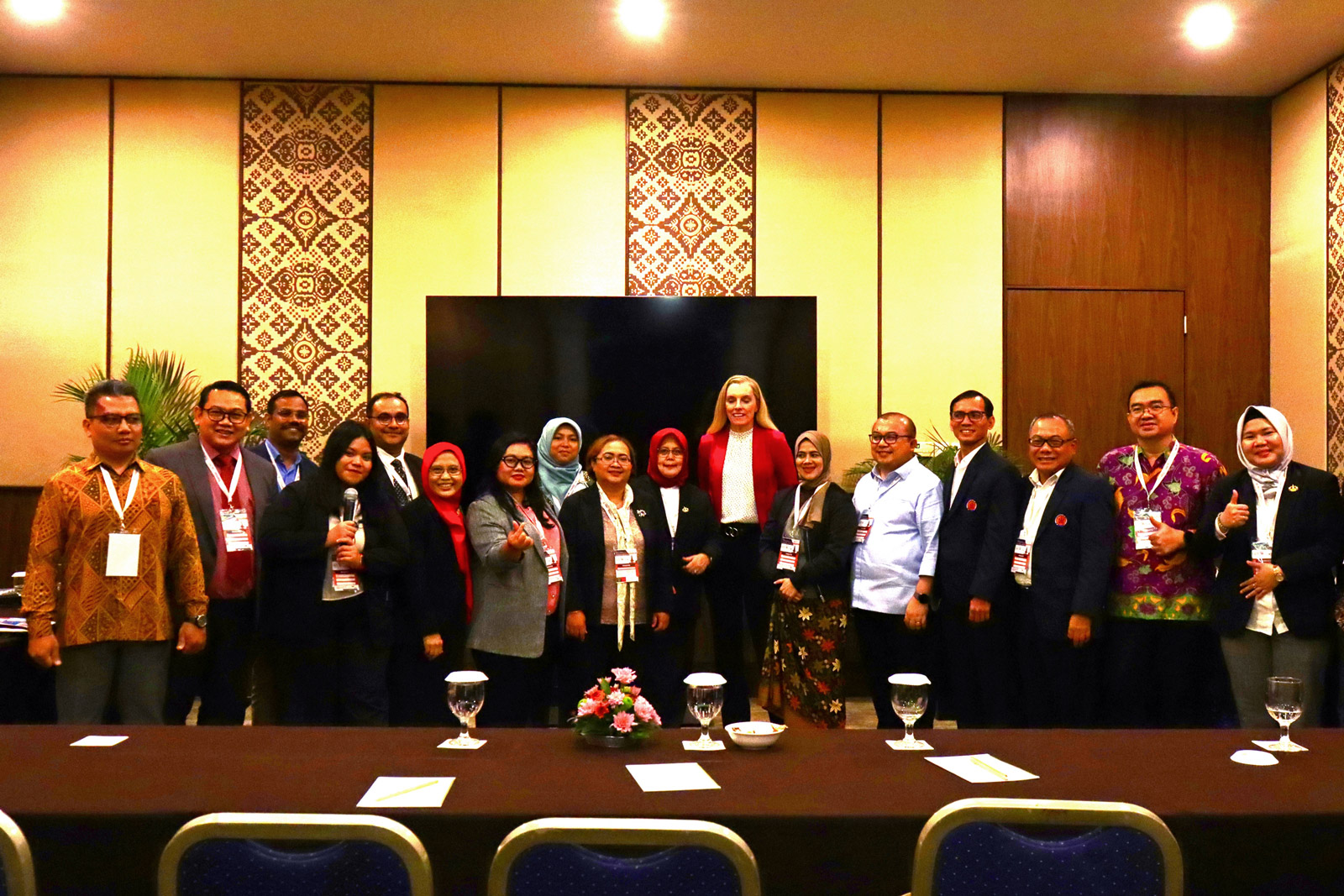
KUCHING – Two PhD candidates from Swinburne University of Technology Sarawak Campus, Shella Georgina Beatrice and Emily Anak Rogos, represented Malaysia at the 5th International Conference on Tourism, Gastronomy, and Tourist Destination 2025, showcasing impactful research that contributes meaningfully to Sarawak’s rural tourism development.
Their research directly supports the Sarawak government’s rural tourism agenda, which prioritises strengthening rural destination identity, community participation, sustainable tourism entrepreneurship, and experience-driven branding to foster long-term tourist loyalty.
Both studies are also aligned with the Sarawak government’s Post COVID-19 Development Strategy (PCDS) 2030, reinforcing capacity-building, value co-creation, and experiential branding as key strategic pillars for Sarawak’s rural tourism growth in the post-pandemic recovery era.
Emily further distinguished herself by earning the conference’s Best Presenter Award, reflecting Swinburne Sarawak’s research excellence and Sarawak’s ongoing advancement in rural tourism.
Her research, titled “The Role of Experiential Branding in Fostering Destination Brand Loyalty among Rural Tourists”, investigates experiential branding and how memorable tourist experiences strengthen loyalty to rural destinations. Her findings support efforts to build stronger Sarawak rural tourism brands.
“Showcasing research that supports Sarawak’s tourism identity on an international platform was an honour,” Emily said. “The award made the experience even more memorable.”
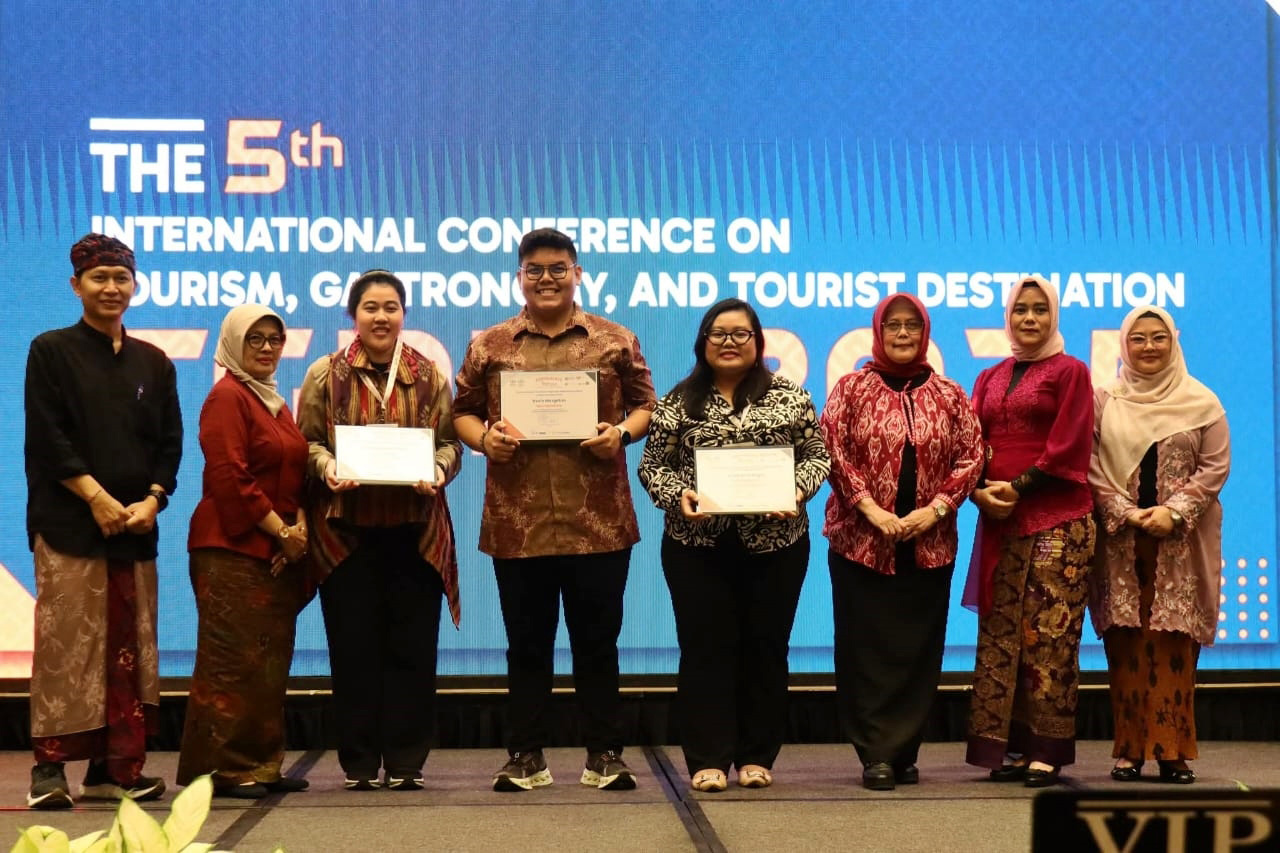
Emily Anak Rogos (fourth right) wins the conference’s Best Presenter Award.
Shella presented her research, titled “Rural Tourism Development through Entrepreneurial Training: Lessons from the Bidayuh Indigenous Community”, which examines the training needs of rural tourism entrepreneurs within the Bidayuh community in Serian, Malaysia. Her study explores how practical, context-driven training can empower Bidayuh rural entrepreneurs – highlighting the role of tailored capacity building in supporting indigenous communities to develop sustainable tourism initiatives.
“It was deeply meaningful to share research rooted in my own community. I hope the findings contribute to inclusive rural development in Sarawak,” she said.
Both students shared that the conference opened doors for global networking and collaboration in tourism and gastronomy research, further positioning Swinburne Sarawak as a key contributor to sustainable tourism development and reinforcing the university’s commitment to addressing real-world challenges facing rural communities.
The conference was organised by Indonesia’s Trisakti Institute of Tourism and held at the Bali Nusa Dua Convention Centre in Bali, Indonesia, from 16 to 18 October 2025. Its theme, “Shaping a Sustainable and Resilient Tourism Future”, reflected a collective mission to strengthen innovation, adaptability, and sustainability across the tourism and gastronomy sectors, ensuring that the industry continues to thrive in harmony with people, planet, and prosperity.
For more information on Swinburne Sarawak, visit its website, Facebook page (@swinburnesarawak), Instagram page (@swinburnesarawak), LinkedIn page (Swinburne University of Technology Sarawak Campus), X page (@Swinburne_Swk), TikTok page (@swinburnesarawak), YouTube channel (Swinburne Sarawak), or Xiaohongshu page (@SwinburneSwk).