

Before your forward that screenshot, ask yourself where its original source is from.
From 24 to 31 October, UNESCO marks Global Media and Information Literacy Week. This year’s theme, “We All Play a Part: Media and Information Literacy for the People”, stresses that a better-informed world depends on ordinary people as much as it does on journalists or researchers. For most of us, media literacy starts with something small: the screenshot on your phone. Before you pass it on, can you find the original source?
The screenshot is only part of the story
Someone sends you a screenshot. Perhaps it’s a headline, a quote, or even a photograph. Whatever that was shared looks convincing, so you react by forwarding it to another person, and forming an opinion of the screenshot. Then someone asks you where it came from. Suddenly, you find the answer to that question harder than you expected.
A screenshot shows what someone chose to show you. What a screenshot also lack is what is was before, what happened after, or what was cropped out. It feels like evidence because it captures something that exists. In most cases, only partially. Something can be real, and still be misleading when you see only part of it.
An old news story can be circulated as if it happened yesterday. A quote can be genuine while the sentence before it changes its meaning when looked at as a whole. A photograph can be real, but taken years earlier. A post that looks official can just be one person’s opinion.
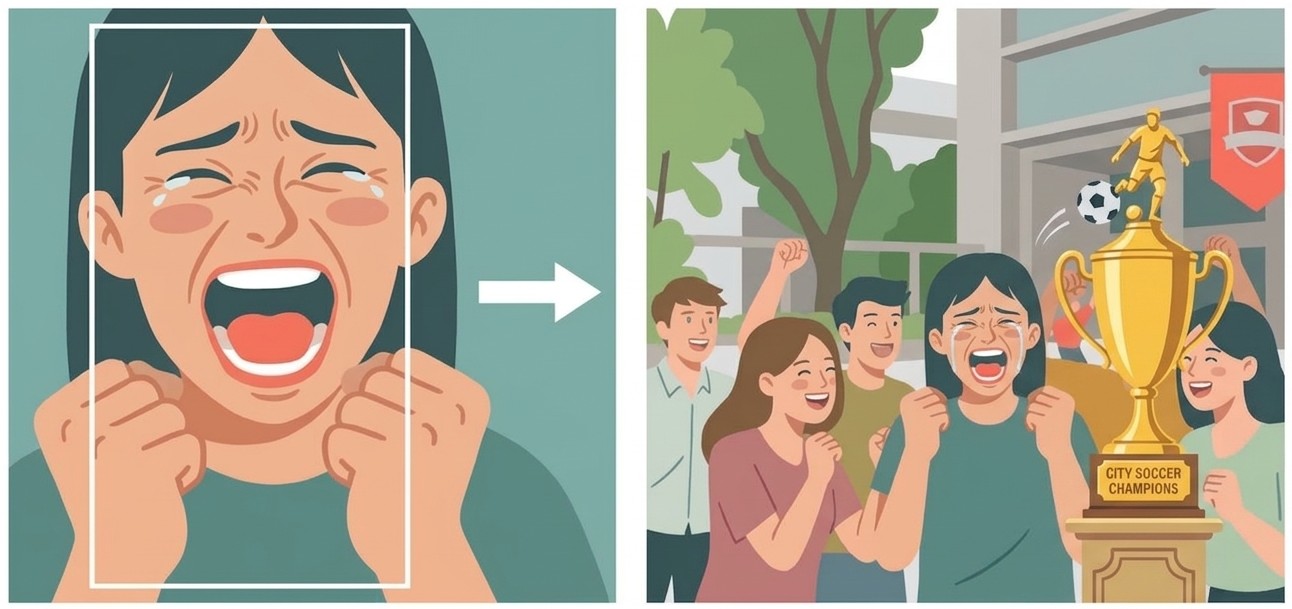
The screenshot may be authentic. It is the story we build around it that may not be.
Context counts as information
Context is information too. Who published it? And when? Where did it first appear? And why? Most importantly, what has been left out?
A five-second clip can make someone seem to say something outrageous. Until you watch the whole video. Statistics can sound alarming. Until the original report shows what it covers or when it was covered.
Usually, it is not that someone has invented something. It is most likely that you simply were given part of the story.
We all play a part in what gets shared
Two decades ago, publishing used to need a printing press or a newsroom. Now, it just needs a smartphone, and when published you can reach thousands of people in minutes. Every share helps decide what others see.
That is the idea behind this year’s Global Media and Information Literacy Week’s theme.
Of course you don’t need to investigate every meme a friend sends. But when something could shape how people think about a person, a community or an issue, its best to slow down.
Ask who first posted it and when. And try to find the original source. If you can’t, then its best to not pass it on.
AI makes the original source harder to find
Images, videos, text and voices can now be generated or altered with tools anyone can use.
Looking real no longer proves something is real. AI-generated text can sound confident, all while being wrong.
This is where media literacy habit applies: check for the source.
If an AI tool gives you statistics, trace its original source. If an image makes a surprising claim, find where it first appeared. If a screenshot makes you react strongly, treat that as your cue to pause.
What university study teaches you about checking sources
At university, checking information is part of everyday responsibility. You learn to tell a scholarly source from an unreliable website. You compare evidence, asking who is making a claim and why. And you reference instead of saying ‘I saw it online”.
The good news is you don’t have to build these habits on your own.
At Swinburne Sarawak, the library runs regular workshops on search strategies, Harvard referencing and EndNote. Its liaison librarians can even help you find and judge sources.
Those habits are useful after graduation. At work, you’ll use it when weighing a product or investment claim. Or when someone sends you a screenshot and expects you to accept it as whole story.
A media literacy checklist
The next time someone sends you a screenshot, ask yourself:
- Who originally published this?
- When was it published?
- What happened before or after it?
- What information is missing?
- Can I find the original source?
It takes less than a minute to do a search. And sometimes the story changes completely once you have full context.
Information travels faster than context. That is why being media literate means knowing when a thorough search is needed.
Find out more about Global Media and Information Literacy Week 2026 on the United Nations observance page.