Swinburne Sarawak Contributes to Strategic Cyber Resilience Dialogue for Sarawak Leaders
Swinburne University of Technology Sarawak Campus and The Brooke Heritage Trust have signed a Letter of Agreement (LoA) to support collaborations in the areas of research and internships.
HomeEventsSwinburne Sarawak Contributes to Strategic Cyber Resilience Dialogue for Sarawak Leaders
Swinburne Sarawak Contributes to Strategic Cyber Resilience Dialogue for Sarawak Leaders
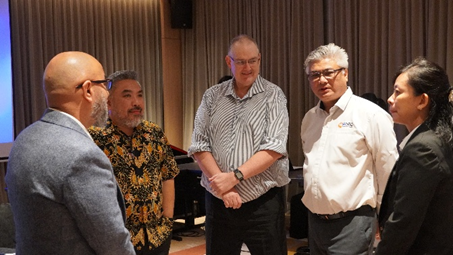
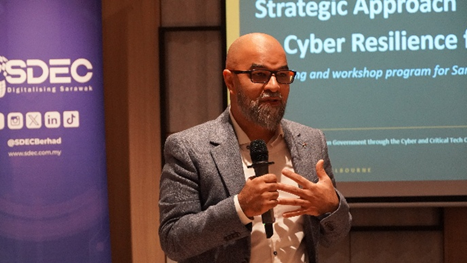
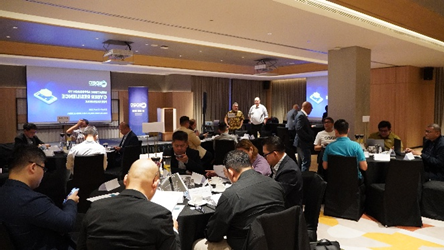
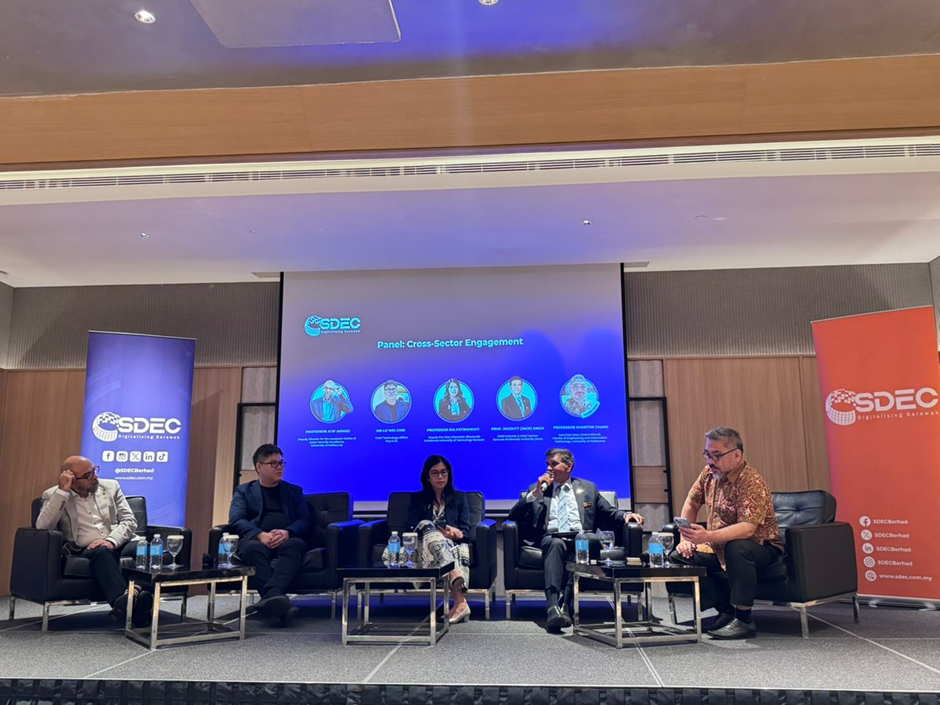
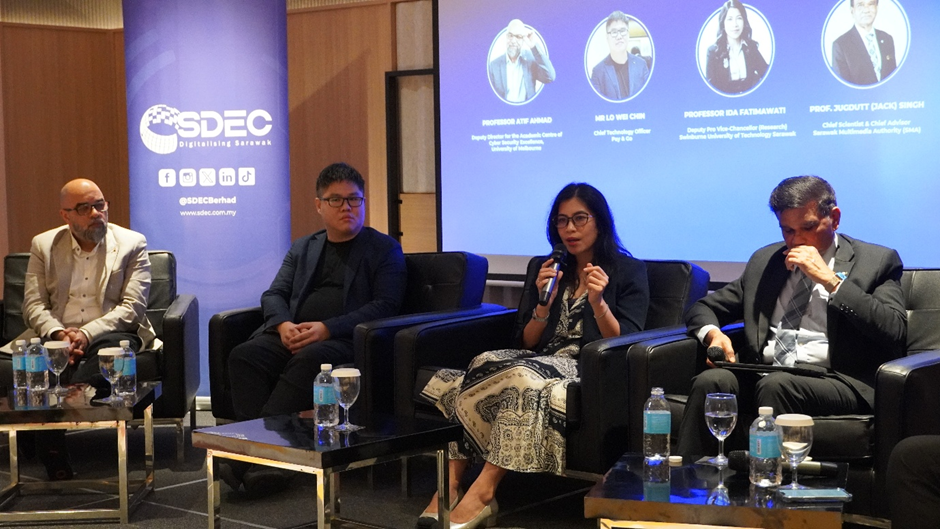
20–21 May 2026 – Swinburne Sarawak was represented by Professor Ida, Deputy Pro Vice-Chancellor, Research (DPVCR), at the Strategic Cyber Resilience Workshop for Sarawak Leaders, organised by Sarawak Digital Economy Corporation (SDEC) at Pullman Kuching. Professor Ida also served as a panellist for the cross-sector session on 21 May, contributing perspectives on research, innovation, and institutional preparedness.
The workshop featured insights from cybersecurity and governance experts from the University of Melbourne and Melbourne Security Associates, including Shanton Chang, Atif Ahmad, and Sean Maynard. The sessions focused on cyber resilience, strategic governance, incident response, crisis readiness, and cross-sector collaboration, bringing together senior leaders from government, business, critical infrastructure, and academia.
A key area of discussion was the importance of cybersecurity for research and development. Universities and research institutions hold valuable digital systems, datasets, intellectual property, research partnerships, emerging innovations, and tacit knowledge. These assets must be protected across the full research lifecycle, from project design and data collection to storage, collaboration, commercialisation, and impact translation.
The workshop also highlighted the need to move beyond compliance and awareness towards embedding cyber resilience into everyday practice. For R&D, this means strengthening data governance, clarifying accountability, improving incident readiness, and ensuring that cyber risks are considered at both institutional and project levels. Cyber resilience should not be treated as an afterthought, but as part of responsible research design and delivery.
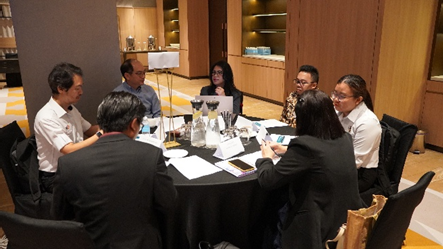
Through the cross-sector session, participants explored how organisations can work together to build shared situational awareness and stronger response capabilities. The session reinforced that resilience cannot be achieved in isolation. It requires collaboration across sectors, practical protocols, trusted communication channels, and a shared commitment to protecting Sarawak’s digital and knowledge assets.
For Swinburne Sarawak, the workshop aligns strongly with its role in supporting Sarawak’s digital economy and research ecosystem. As R&D becomes increasingly data-driven, collaborative and technology-enabled, cyber resilience must be recognised as a core enabler of research integrity, trust and innovation. The workshop provided a valuable platform to strengthen partnerships and contribute to a more coordinated, secure, and resilient Sarawak.