

Foreign investment in Sarawak creates openings for local SMEs, but only the ones that build capability, form partnerships and prepare early will win a place in investor supply chains.
Foreign investment in Sarawak is attracting increasing attention across advanced manufacturing, renewable energy, digital technologies and other high-value industries. Large investment announcements often dominate headlines, with discussions focusing on capital commitments, economic growth and job creation.
For local businesses, however, the more important question is not how much investment is arriving, but how they can benefit from it.
Many business owners view foreign direct investment (FDI) as something that primarily benefits multinational corporations. In reality, some of the most significant opportunities often emerge for local suppliers, service providers and small and medium enterprises (SMEs) that are positioned to support these investments.
The challenge is that foreign investment does not automatically create business opportunities for everyone. Companies that benefit are usually those that prepare early, understand industry requirements and build the capabilities needed to join the SME supply chain serving larger investors.
Foreign Investment in Sarawak: Looking Beyond the Announcement
When a major company announces a new facility or expansion, public attention naturally focuses on the size of the investment. While these figures are important, they reveal very little about the actual opportunities available to local businesses.
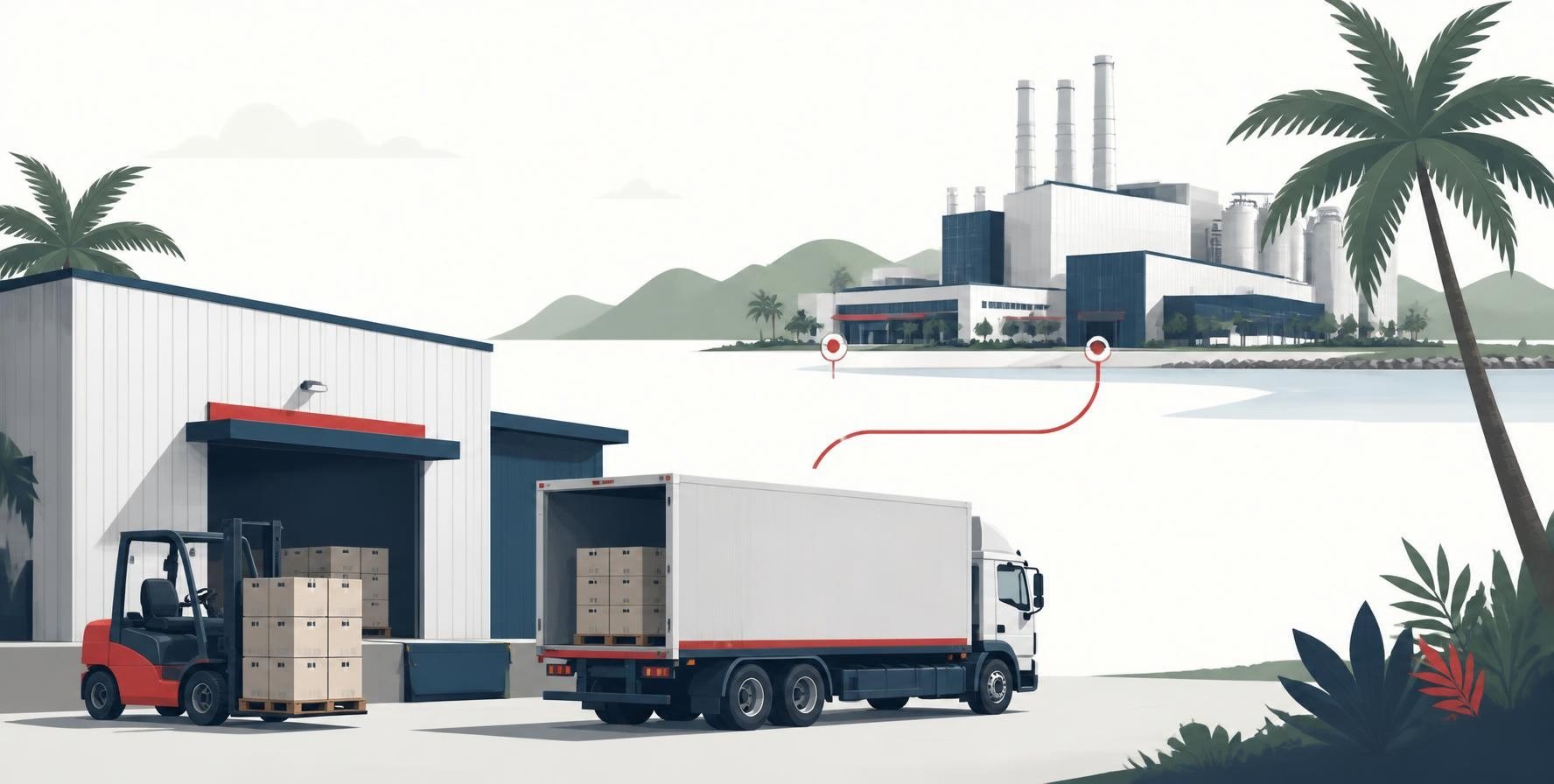
In practice, a new manufacturing facility requires far more than production equipment. It requires logistics support, maintenance services, packaging solutions, professional services, workforce training, security, cleaning, catering, digital solutions and numerous other supporting activities.
For local businesses, the real opportunity from foreign investment in Sarawak lies within this wider ecosystem.
Rather than asking, “How much investment is coming?”, business owners should ask: What products and services will these investors need? Which of those needs can local businesses realistically supply? What capabilities must be developed to become a preferred supplier? These questions are far more valuable than simply tracking investment announcements.
Why Some SMEs Benefit While Others Miss Out
Foreign investors typically operate according to strict standards relating to quality, delivery reliability, safety, compliance and cost control. As a result, opportunities are often captured by businesses that can demonstrate capability rather than by those that are merely nearby.
Consider a local engineering firm seeking to support a large manufacturing operation. Technical expertise alone may not be sufficient. The company may also need documented quality procedures, trained personnel, safety certifications, reliable delivery systems and the financial capacity to fulfil contracts consistently.
Similarly, a logistics provider may have vehicles and drivers, but without tracking systems, reporting capabilities and dependable service standards, it may struggle to compete for larger contracts. The lesson is straightforward: location creates access, but capability creates opportunity.
Building the Capabilities Investors Need in the SME Supply Chain
For many SMEs, the most important investment may not be new equipment but organisational capability. Businesses seeking to strengthen their position in the SME supply chain should evaluate several areas, such as operational reliability and quality management, workforce skills and technical competencies, digital systems and process automation, financial management and working capital, and compliance with industry and customer requirements.
Many business owners focus heavily on acquiring customers while paying less attention to internal capability development. However, large investors are often looking for suppliers that can consistently deliver rather than suppliers offering the lowest price. In increasingly competitive markets, professionalism becomes a competitive advantage.
The Importance of Strategic Partnerships
Not every SME can serve large investors independently. In such cases, partnerships can help smaller businesses combine capabilities, share resources and offer more comprehensive solutions. For example, a local manufacturer, logistics provider and packaging specialist may be able to collaborate to offer an integrated service that none could provide individually.
Strategic partnerships can also help businesses gain access to knowledge, technology and market opportunities that would otherwise be difficult to obtain. The key is ensuring that partnerships are structured around clear responsibilities, performance expectations and commercial objectives.
Preparing for Foreign Investment in Sarawak Before Opportunities Appear
One common mistake among SMEs is waiting until opportunities become visible before beginning preparations. By the time procurement opportunities are publicly announced, larger and more prepared competitors may already have established relationships and demonstrated their capabilities.
Businesses should therefore begin preparation before contracts become available. This includes understanding the industries targeted for investment, identifying potential customer requirements, strengthening operational systems, investing in workforce development, and building relationships with industry stakeholders.
Preparation does not guarantee success, but a lack of preparation almost guarantees missed opportunities.
A Business Strategy, Not A Waiting Game
Foreign investment can be a powerful driver of economic diversification, but its greatest value comes from the business opportunities it creates within the local economy. For Sarawakian SMEs, success will depend less on the amount of foreign investment in Sarawak and more on their ability to position themselves within the emerging SME supply chain and business ecosystems.
The businesses that benefit most are unlikely to be those waiting for opportunities to arrive. They will be the businesses that actively build capability, strengthen competitiveness and prepare for future demand. As Sarawak continues to attract higher-value investments, the critical question for business owners is no longer whether foreign investment matters.
The more important question is whether their business is ready when the opportunity arrives.